A fracture requires more than simply immobilizing the injured limb. Proper fracture treatment and care includes diagnosis, alignment assessment, stabilization, follow-up, rehabilitation, and a safe return to activity.
The treatment plan varies depending on the bone, fracture pattern, age, injury mechanism, and overall health of the patient.
What Should Happen Immediately After Injury?
After a suspected fracture:
- Avoid unnecessary movement
- Support the injured area
- Do not force a deformed limb straight
- Seek medical evaluation
- Watch for open wounds or bleeding
Significant trauma may involve additional injuries that also need assessment.
How Is a Fracture Confirmed?
X-rays are commonly used.
Additional imaging may sometimes be required depending on the location or complexity of the fracture.
The orthopedic surgeon evaluates:
- Position of bone fragments
- Displacement
- Stability
- Joint involvement
- Soft tissue condition
- Associated injuries
Cast or Surgery?
Not every fracture needs surgery.
Stable fractures with acceptable alignment may sometimes be treated using:
- Casts
- Splints
- Braces
- Other forms of immobilization
Surgery may be considered when the fracture is unstable, significantly displaced, open, or involves important joint surfaces.
Why Is Follow-Up Important?
Healing is not assessed only once.
Follow-up visits help determine whether:
- Alignment remains acceptable
- Swelling is improving
- Bone healing is progressing
- Immobilization remains suitable
- Movement can begin
- Weight-bearing can be increased
Skipping follow-up can delay identification of complications.
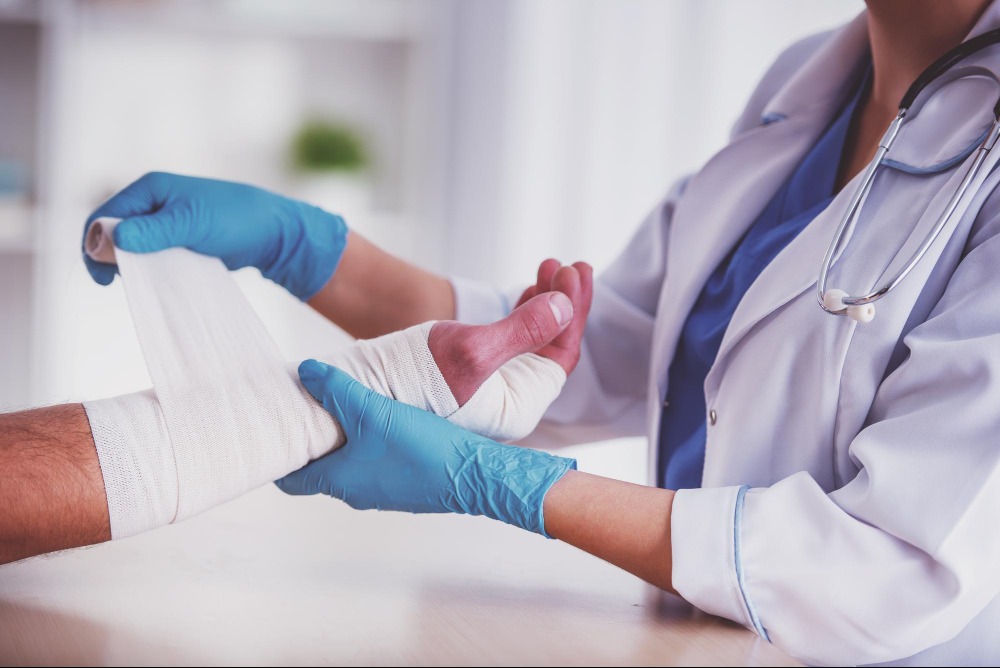
Cast Care Matters
Patients should follow instructions regarding:
- Keeping the cast dry
- Avoiding objects inside the cast
- Monitoring swelling
- Reporting unusual numbness
- Reporting increasing pain
- Watching circulation in fingers or toes
A cast that becomes too tight or damaged may require reassessment.
When Does Physiotherapy Begin?
The timing depends on the fracture.
Once medically safe, rehabilitation may help restore:
- Joint movement
- Muscle strength
- Balance
- Coordination
- Walking ability
- Functional independence
Starting too early can interfere with healing, while unnecessary prolonged immobilization may contribute to stiffness.
Older Adults Need Additional Attention
A fracture after a relatively minor fall may indicate reduced bone strength.
In suitable patients, the orthopedic team may consider whether osteoporosis assessment is appropriate.
Returning to Activity
Pain reduction alone does not confirm complete healing.
Return to work, driving, sports, or full weight-bearing should follow clinical and imaging assessment.
Dr. A.K. Sharma, Ortho and Joint Replacement Surgeon provides fracture assessment and orthopedic care for patients in Noida and surrounding areas of Uttar Pradesh.
Good fracture treatment combines stable healing with preservation of movement and function throughout recovery.
Keywords