Shoulder or ankle pain alone does not establish a need for arthroscopy. The right decision depends on the tissue causing symptoms, examination findings, imaging, response to nonsurgical care and whether the joint has a repairable problem rather than advanced damage. By the end, you will know which conditions arthroscopy can treat, when another option fits better and what recovery may involve.
Key takeaways
- Arthroscopy suits problems confirmed by examination and imaging.
- Shoulder arthroscopy can repair rotator-cuff, labral and instability problems.
- Ankle arthroscopy treats selected cartilage, impingement and loose-fragment conditions.
- Arthroscopy cannot replace joint replacement for advanced arthritis.
When shoulder arthroscopy matches the actual problem
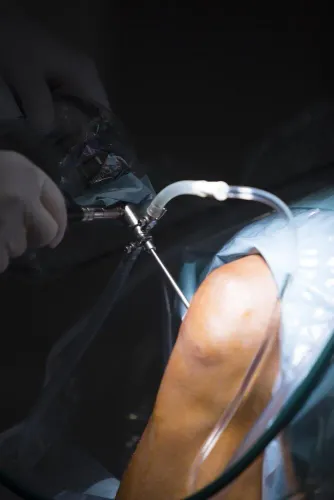
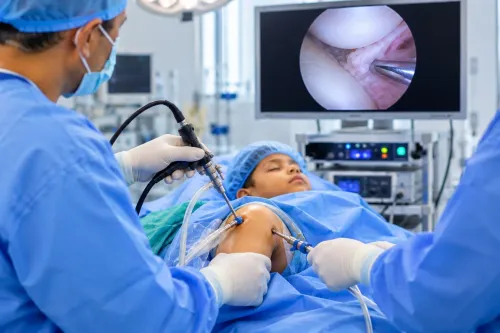
Arthroscopy for shoulder problems fits when examination and imaging identify a structure that can be repaired or treated through small portals. Established uses include rotator-cuff tears, recurrent instability, labral tears, selected biceps-tendon disorders, loose bone or cartilage fragments, and stiffness that persists despite physiotherapy and other nonsurgical care.
Subacromial impingement or bursitis needs a more careful diagnosis because shoulder pain alone does not prove that a scope will help.
| Shoulder or ankle diagnosis | When arthroscopy fits | When uncertainty argues against it |
|---|---|---|
| Shoulder | Imaging and examination match a tear, instability, loose body or treatable stiffness | Pain has no clear structural source, or advanced arthritis is the main finding |
| Ankle | A reachable loose body, scar tissue, synovitis, impingement or selected talar cartilage lesion explains symptoms | Nonspecific pain without matching examination or imaging findings |
| Either joint | A confirmed problem can be inspected and treated during the same operation | Arthroscopy is being used as a substitute for proper diagnosis |
If the shoulder diagnosis is uncertain, do not choose arthroscopy simply because symptoms have lasted a long time. Review the pain location, weakness, instability, range of motion and relevant X-rays, ultrasound or MRI with an orthopaedic clinician.
Diagnostic arthroscopy exists, but it still involves anaesthesia, portals and recovery; it is not an outpatient scan with no downside.
Advanced shoulder cartilage loss usually makes replacement more useful than trying to treat arthritis with a scope. The appropriate arthroscopic surgery options depend on the structure causing symptoms, not merely on the presence of shoulder pain.
When ankle arthroscopy helps—and when it cannot
Ankle arthroscopy works best when examination and imaging identify a treatable problem inside or immediately around the joint. It is not a general solution for ankle pain, and arthroscopy treatment cannot restore severely lost cartilage or correct every structural abnormality.
| Problem | When arthroscopy fits | When a different treatment is needed |
|---|---|---|
| Loose bodies, scar tissue or synovitis | Remove fragments or clear inflamed tissue causing catching, swelling or restricted movement | A fracture, large defect or disease outside the joint needs separate treatment |
| Anterior or posterior impingement | Remove bone or soft tissue that repeatedly pinches during movement | Major deformity or instability requires correction or ligament reconstruction |
| Osteochondral lesion of the talus | Debride and stimulate bone marrow for a small, stable lesion | A large, deep, cystic or previously treated lesion may need cartilage restoration or grafting |
| Ankle arthritis | Limited cleaning for a carefully selected early problem | End-stage cartilage loss requires discussion of ankle fusion or total ankle replacement |
For cartilage damage, lesion size, depth, cyst formation and stability determine whether arthroscopy for ankle symptoms is sensible. A scope may smooth damaged tissue or stimulate repair; it does not regrow a normal joint surface.
Persistent ligament instability, tendon damage, malalignment or an unhealed fracture can also require reconstruction, fixation or open surgery. If pain is nonspecific and scans show no reachable lesion, physiotherapy, activity changes, medication or another diagnosis deserves attention before surgery.
How arthroscopy differs across the shoulder, ankle, knee, hip, elbow and wrist
Usefulness changes with the joint, the depth of the target structure and the diagnosis. The best arthroscopic surgery options fit a defined problem that examination and imaging can locate, not pain alone.
| Joint | Arthroscopy is appropriate for | When usefulness falls |
|---|---|---|
| Shoulder | Rotator-cuff or labral tears, recurrent instability, selected biceps disorders, loose bodies and persistent stiffness | Advanced cartilage loss, where shoulder replacement may be more suitable |
| Ankle | Loose bodies, scar tissue, synovitis, anterior or posterior impingement, selected talar osteochondral lesions and some ligament or tendon problems | Nonspecific pain, advanced arthritis or damage that cannot be reached through the joint |
| Knee | Traumatic meniscal tears, ligament reconstruction, loose bodies and selected cartilage injuries | Uncomplicated osteoarthritis and degenerative meniscal disease; partial meniscectomy does not improve these problems reliably |
| Hip | Selected labral tears and femoroacetabular impingement when symptoms, examination and scans agree | Advanced osteoarthritis, which reduces benefit and raises the likelihood of later hip replacement |
| Elbow | Loose bodies, synovitis, selected cartilage injuries and stiffness caused by an identifiable block | Diffuse arthritis or pain without a treatable mechanical cause |
| Wrist | Selected triangular fibrocartilage complex tears, ligament injuries, loose bodies and synovitis | Widespread arthritis or instability requiring reconstruction beyond arthroscopic repair |
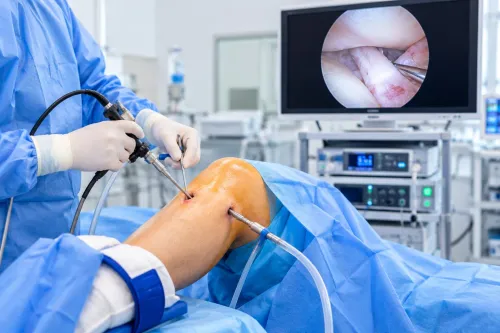
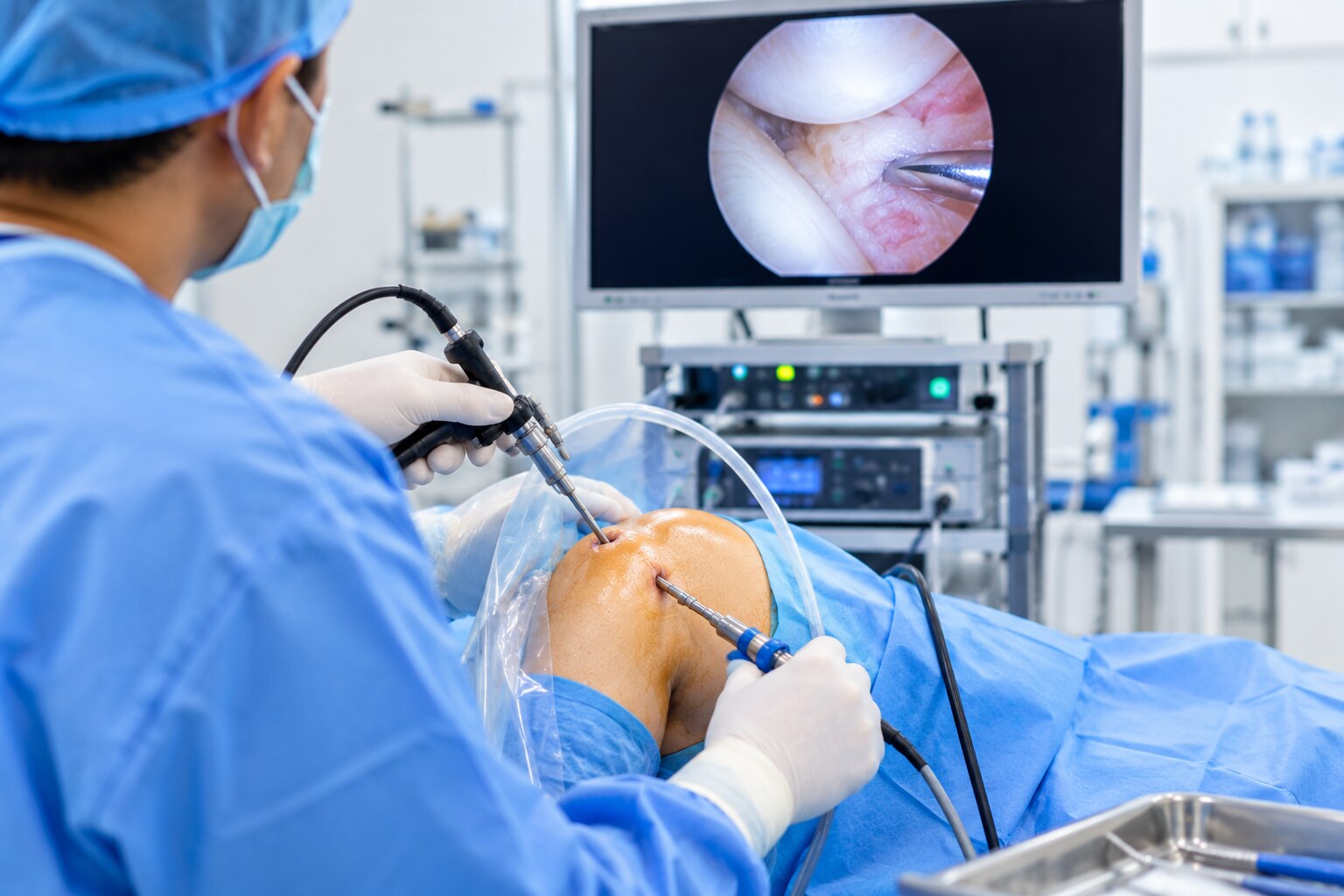
A camera enters through a small portal, while additional portals allow repair, removal or smoothing of tissue. Arthroscopy can therefore diagnose and treat a confirmed lesion during one operation, but it cannot make an unclear diagnosis suitable by itself.
How symptoms, examination and imaging determine the right treatment
Arthroscopy is justified when the pain pattern, examination findings and imaging identify the same structure as the likely pain generator. An MRI abnormality alone is not enough: painless labral tears, degenerative menisci and cartilage changes are common, and treating the scan instead of the cause can deliver little benefit.
- Match symptoms: catching, locking, instability, weakness or pain in a specific movement should fit the suspected lesion.
- Confirm on examination: test strength, range of motion, joint stability, tenderness and signs that distinguish referred pain from a local joint problem.
- Check imaging: use X-rays for fracture, alignment and arthritis; use MRI or ultrasound when soft tissue, cartilage, tendon or labral detail matters.
- Test nonoperative care: physiotherapy, reduced aggravating loads, activity modification, medication or an appropriately targeted injection should be considered before elective arthroscopy when safe.
- Compare the endpoint: ask whether the scope will repair or remove a defined problem, rather than merely inspect a painful joint.
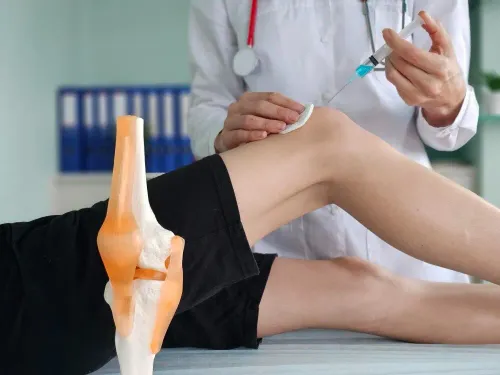
Injections can relieve inflammation or help confirm the pain source, but they do not repair advanced cartilage loss. Manipulation may help selected stiffness after safer causes are excluded. Open fixation or reconstruction fits large, inaccessible or unstable structural injuries; joint replacement fits end-stage arthritis better than arthroscopy.
This is why the question “is arthroscopy suitable for shoulder and ankle problems” requires joint-specific evidence. Dr.A.K.Sharma-Ortho & joint replacement surgeon can weigh arthroscopy treatment against these alternatives when symptoms and scans disagree.
Related service
Arthroscopy Minimally Invasive Solutions: Advanced Arthroscopy Surgery in Noida At Global Orthopaedics and Speciality Clinics in Noida, we offer advanced... |
What arthroscopy can—and cannot—fix, including recovery and risks
Diagnostic arthroscopy uses a camera to inspect cartilage, tendons, ligaments and the joint lining when scans and examination leave the diagnosis uncertain. It may identify the problem without correcting it.
Therapeutic arthroscopy combines inspection with an intervention, such as removing a loose body, repairing a labrum or rotator cuff, stabilising a joint, or treating a suitable cartilage injury.
| Option | Practical purpose | Recovery demand |
|---|---|---|
| Diagnostic arthroscopy | Confirm or exclude an internal joint problem | Usually shorter, but pain and restricted movement still occur |
| Debridement or loose-body removal | Remove damaged tissue or a fragment causing catching | Earlier movement and weight-bearing often follow |
| Repair or reconstruction | Restore a tendon, ligament, labrum or cartilage | Immobilisation or restricted loading, then structured rehabilitation |
Arthroscopy treatment cannot reliably reverse advanced arthritis, widespread cartilage loss or pain without a correct mechanical target. Knee arthroscopy generally does not improve uncomplicated osteoarthritis or degenerative meniscal pain, and shoulder decompression alone is not reliably better than diagnostic arthroscopy for chronic subacromial pain without a repairable cuff tear.
Hip arthroscopy becomes less useful with advanced osteoarthritis.
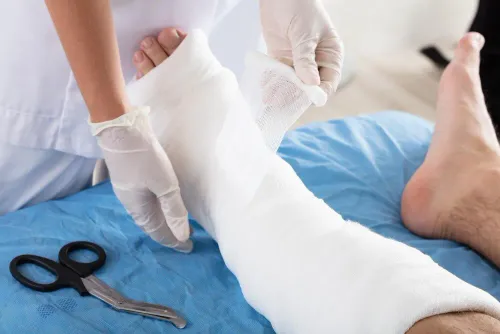
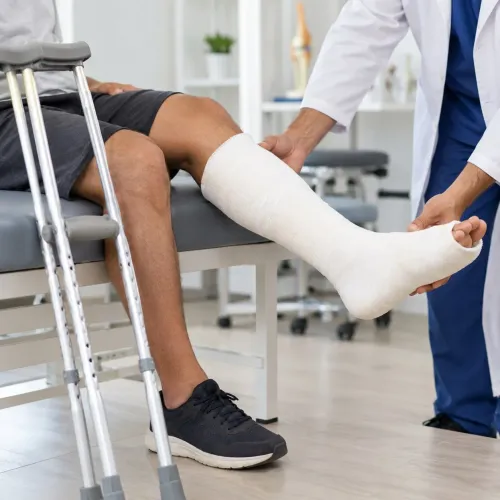
Recovery follows the procedure, not the word “arthroscopy.” A simple procedure may allow early activity; a tendon repair, ligament reconstruction or cartilage repair can require weeks of protection and months of rehabilitation.
- Infection, bleeding and blood clots
- Nerve injury, portal-site numbness or stiffness
- Persistent pain, incomplete improvement or further surgery
Pain, swelling or fever after surgery needs prompt clinical advice.
Frequently asked questions
Is arthroscopy suitable for shoulder and ankle problems?
It is suitable when examination and imaging identify a treatable joint problem, such as a rotator-cuff tear, labral injury, instability, ankle impingement, cartilage damage or a loose fragment. It is not the right treatment for every source of pain.
What problems can arthroscopy for shoulder treat?
Shoulder arthroscopy can treat selected rotator-cuff tears, recurrent instability, labral tears, biceps-tendon disorders, loose bone or cartilage fragments and stiffness that continues despite physiotherapy and other nonsurgical care.
When does arthroscopy for ankle help?
Ankle arthroscopy can help with joint impingement, selected cartilage or osteochondral injuries, loose bodies, scar tissue and some persistent symptoms after an ankle injury. Severe arthritis, major deformity or problems outside the joint may require another treatment.
How do doctors decide among arthroscopic surgery options?
They combine your symptom pattern, physical examination and imaging. X-rays show alignment, fractures and arthritis; MRI can show tendons, cartilage, labrum and ligaments; CT provides detailed bone images when needed.
What can arthroscopy not fix, and what are its risks?
Arthroscopy cannot reliably reverse advanced arthritis, correct every source of pain or repair tissue that cannot heal. Risks include infection, bleeding, blood clots, nerve or blood-vessel injury, stiffness, persistent pain and the need for further treatment.
Keywords