An ACL injury can change everyday life in an instant. Whether it happens during football, badminton, cricket, basketball, gym training, or a simple fall, damage to the anterior cruciate ligament (ACL) often causes immediate pain, swelling, and knee instability. For active individuals, returning to sports safely becomes the biggest concern after treatment.
While every recovery journey is unique, understanding what to expect after ACL ligament surgery helps patients prepare both physically and mentally. A structured rehabilitation plan, combined with proper medical guidance, plays a crucial role in restoring knee function.
What Is the ACL and Why Is It Important?
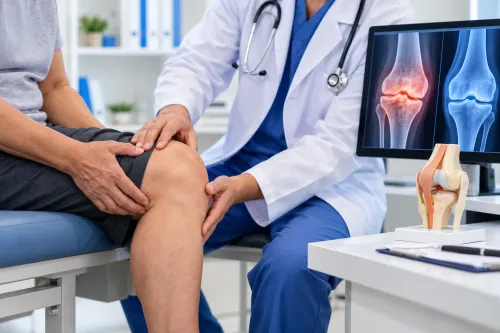
The anterior cruciate ligament is one of the four major ligaments that stabilize the knee joint. It connects the thigh bone (femur) to the shin bone (tibia), helping control forward movement and rotational stability.
An injured ACL makes the knee feel unstable during activities such as:
- Running
- Jumping
- Pivoting
- Sudden direction changes
- Climbing stairs
- Uneven surface walking
Without adequate treatment, repeated instability may increase the risk of cartilage damage and meniscus injuries.
Common Signs of an ACL Tear
An ACL injury usually occurs suddenly rather than developing over time. Many patients report hearing or feeling a pop in the knee at the time of injury.
Symptoms commonly include:
- Immediate swelling
- Severe knee pain
- Difficulty putting weight on the leg
- Knee instability
- Limited range of motion
- Difficulty walking
- Feeling that the knee may give way
These symptoms should be evaluated by an orthopedic specialist as early diagnosis often leads to better treatment planning.
When Is ACL Ligament Surgery Recommended?
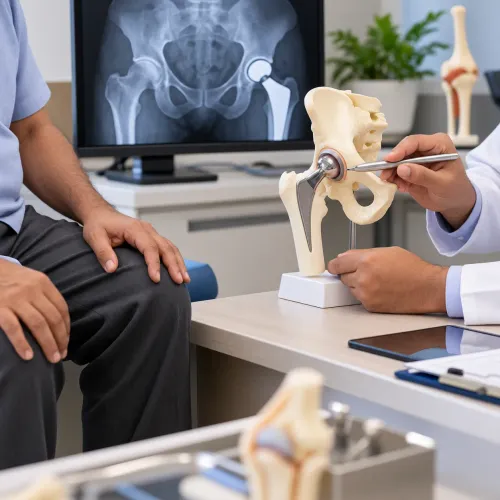
Not every ACL tear requires surgery. Treatment depends on several factors, including age, activity level, occupation, associated injuries, and lifestyle goals.
Surgery is commonly recommended for:
- Athletes involved in pivoting sports
- Young and active individuals
- Patients with repeated knee instability
- Combined ACL and meniscus injuries
- Individuals planning to return to high-demand physical activities
The decision is based on a detailed clinical examination along with MRI findings and functional assessment.
What Happens During ACL Surgery?
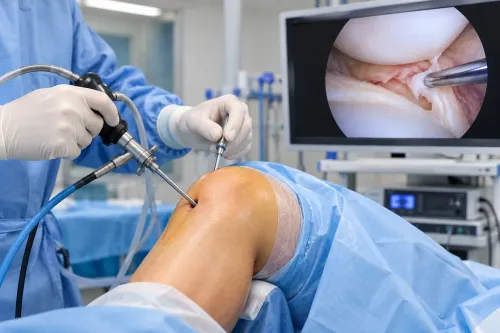
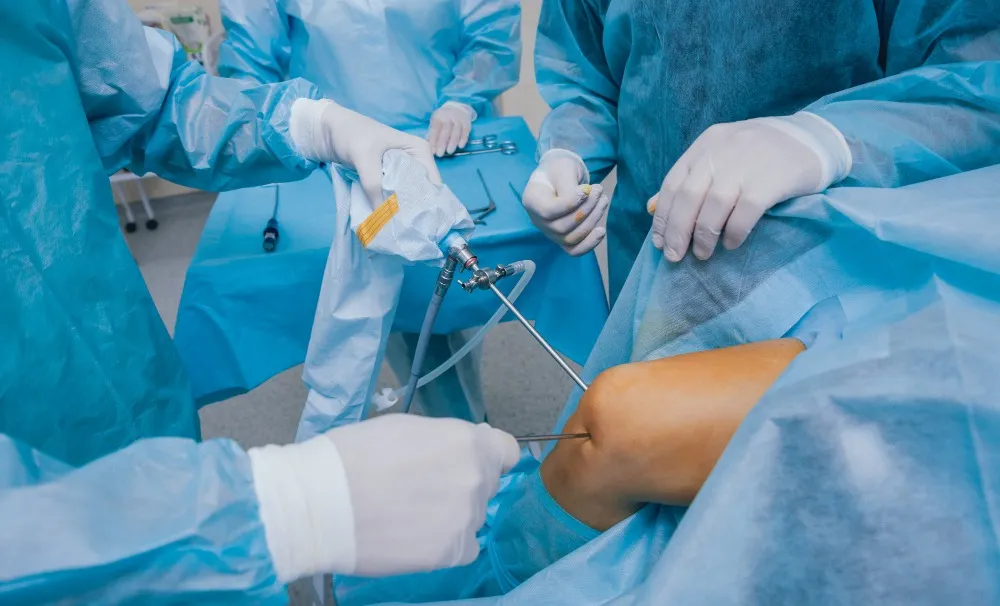
ACL ligament surgery is usually performed using minimally invasive arthroscopic techniques. Instead of repairing the torn ligament, the damaged ACL is typically reconstructed using a graft.
The procedure generally involves:
- Small keyhole incisions
- Arthroscopic camera guidance
- Removal of damaged ligament tissue
- Placement of a new ligament graft
- Secure fixation using specialized implants
Because the surgery is minimally invasive, patients often experience less tissue damage and a smoother recovery compared to traditional open procedures.
Understanding the Recovery Timeline
Recovery after ACL reconstruction happens gradually. Progress depends on following rehabilitation instructions rather than rushing back to normal activities.
First Two Weeks
The initial focus is on reducing pain and swelling.
Patients usually work on:
- Pain control
- Ice therapy
- Gentle knee movement
- Walking with support if required
- Quadriceps activation exercises
Weeks Three to Six
As swelling improves, rehabilitation becomes more active.
Goals include:
- Increasing knee flexibility
- Improving walking pattern
- Building muscle strength
- Restoring balance
- Improving joint stability
Regular physiotherapy becomes an essential part of recovery during this stage.
Two to Four Months
Strength training gradually becomes more intensive.
Patients often begin:
- Stationary cycling
- Controlled strengthening exercises
- Core stability training
- Balance drills
- Functional movement training
Daily activities become easier as muscle strength improves.
Four to Six Months
The knee continues gaining strength and endurance.
Depending on progress, rehabilitation may include:
- Light jogging
- Agility exercises
- Sport-specific drills
- Controlled jumping exercises
Every activity is introduced only after meeting rehabilitation milestones.
Six to Nine Months
Many patients preparing for competitive sports complete advanced rehabilitation during this phase.
Before returning to sports, doctors assess:
- Muscle strength
- Knee stability
- Functional performance
- Balance
- Confidence during movement
Returning too early may increase the risk of re-injury, making proper evaluation essential.
Tips for a Successful Recovery
Recovery depends as much on rehabilitation as it does on surgery itself.
Helpful practices include:
- Attend every physiotherapy session.
- Perform home exercises consistently.
- Avoid high-impact activities until cleared.
- Maintain a healthy body weight.
- Follow your surgeon's recovery timeline.
- Report unusual swelling or pain promptly.
- Stay patient throughout rehabilitation.
Small improvements made consistently often lead to better long-term outcomes.
Orthopedic Care for Sports Injuries in Noida
With increasing participation in recreational sports and fitness activities, ACL injuries have become more common among young adults in Noida. Access to timely diagnosis, arthroscopic treatment, and structured rehabilitation significantly improves the chances of returning to an active lifestyle.
Dr. A.K. Sharma, Ortho and Joint Replacement Surgeon evaluates each sports injury individually, helping patients choose the most appropriate treatment based on the severity of the ligament injury, activity level, and future goals. Comprehensive rehabilitation guidance remains an important part of achieving a safe and lasting recovery.
Recovering from ACL ligament surgery is a gradual process, but with expert care and dedicated rehabilitation, many patients regain stability, confidence, and the ability to return to the activities they enjoy.
Keywords