A serious fracture creates several immediate concerns. Patients want to know whether the bone will heal normally, whether an operation is necessary, how long mobility will be affected, and whether they will regain normal use of the injured limb.
When fracture surgery is being considered, choosing orthopedic care should involve more than finding someone who can perform an operation. The quality of assessment, explanation, surgical planning, follow-up, and rehabilitation all matter.
First Confirm Why Surgery Is Recommended
Not every fracture requires an operation.
Before proceeding, patients should understand why conservative treatment may not be suitable in their case.
Possible reasons for surgical management can include significant displacement, instability, certain fractures involving a joint, open injuries, inability to maintain acceptable alignment, or specific fracture patterns where fixation is considered appropriate.
The reason should be explained in terms the patient and family can understand.
Ask About the Exact Fracture Pattern
Two fractures of the same bone can require very different treatment.
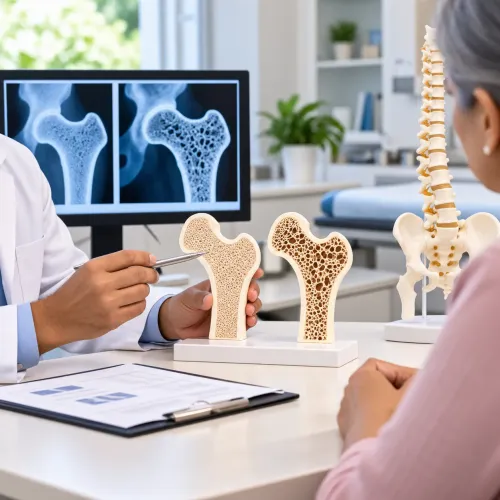
A useful consultation should explain:
- Where the fracture is located
- Whether it extends into a joint
- How far the fragments have moved
- Whether the fracture is stable
- Whether soft tissues are injured
- Whether nerves or blood vessels are affected
- How bone quality influences treatment
X-rays are commonly used for this assessment. CT scans may provide additional information for certain complex fractures.
Understand the Proposed Fixation
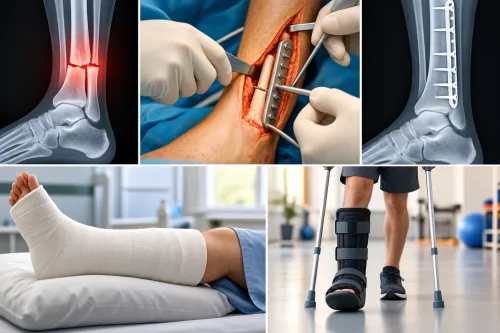
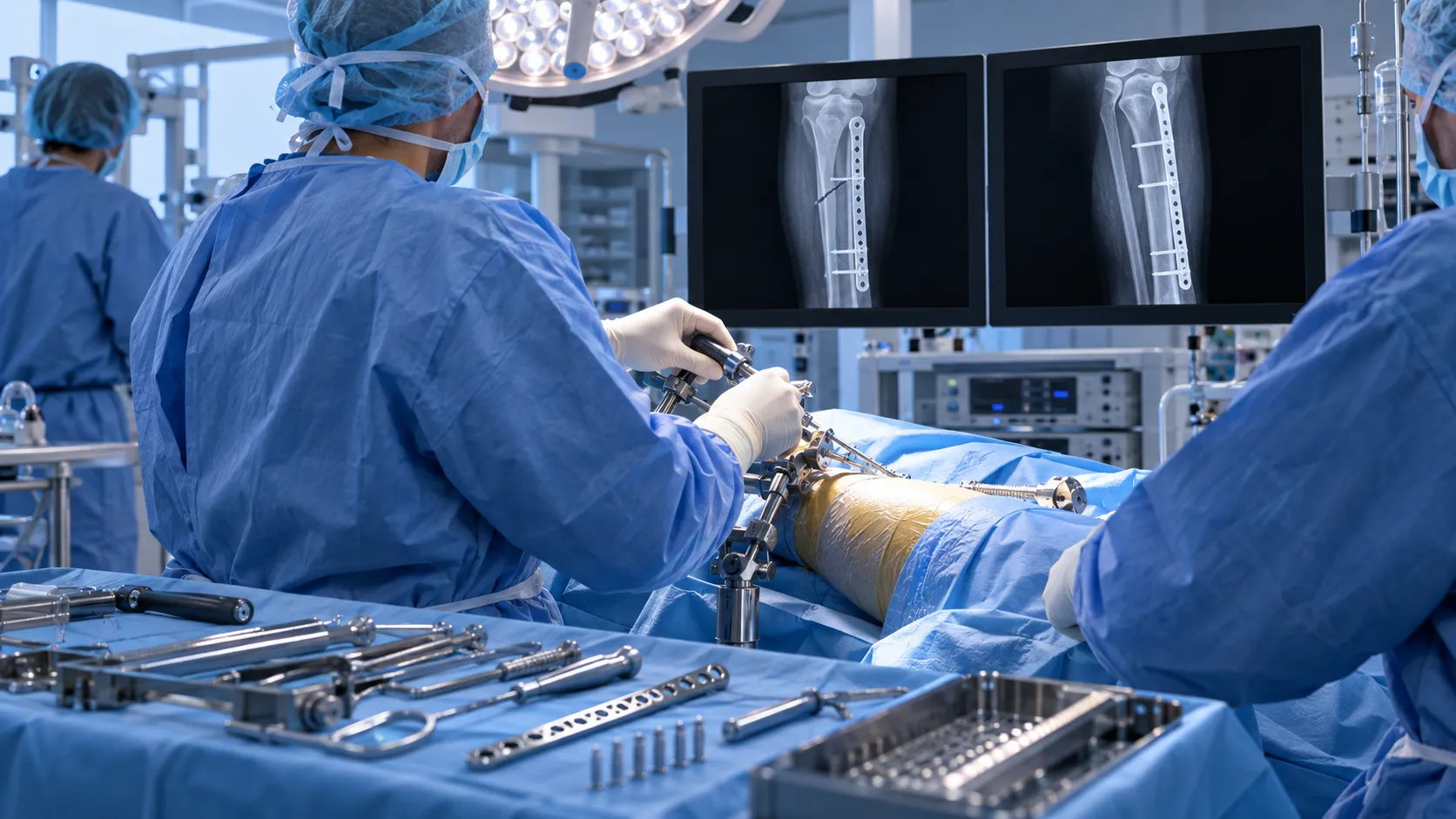
Fracture fixation can involve plates, screws, nails, wires, or other methods depending on the injury.
Rather than focusing only on the implant, ask what the fixation is intended to achieve.
Patients should know whether they will be allowed to bear weight after surgery, whether movement will initially be restricted, and what rehabilitation is expected.
These practical issues have a major impact on work, home arrangements, and caregiving needs.
Discuss Risks and Medical Readiness
Every operation has potential risks.
Depending on the injury and procedure, complications can include infection, delayed healing, failure of the bone to unite appropriately, stiffness, bleeding, nerve or blood vessel injury, blood clots, implant-related problems, and medical complications.
Individual risk can be influenced by factors such as diabetes, smoking, poor bone quality, age, nutritional status, and other health conditions.
A responsible surgical discussion should address relevant risks without promising a guaranteed result.
Check the Follow-Up Plan
Fracture treatment continues long after the operation.
Follow-up appointments may be required to assess wound healing, alignment, bone healing, joint movement, and progression of weight bearing.
Physiotherapy can become important when stiffness or muscle weakness develops after immobilization.
Patients should know whom to contact if unexpected symptoms occur during recovery.
Increasing wound redness, discharge, fever, severe worsening pain, new numbness, or concerning changes in the limb should be medically evaluated rather than ignored until the next routine appointment.
Consider Practical Local Access
For patients requiring fracture surgery in Noida, local access can be particularly relevant because repeated follow-up visits may be needed during recovery.
A patient using crutches or a walker may find long-distance travel difficult. Families caring for elderly fracture patients may also need to coordinate imaging, rehabilitation, mobility assistance, and follow-up consultations.
Dr. A.K. Sharma – Ortho and Joint Replacement Surgeon provides orthopedic evaluation in Noida for fractures and other musculoskeletal conditions, with treatment decisions based on the injury pattern, stability, patient health, and functional requirements.
What Should You Know Before Proceeding
Before fracture surgery, a patient or family member should be able to answer several basic questions:
- Why is surgery preferable in this case?
- What type of fixation is planned?
- What are the important risks?
- How long might movement be restricted?
- When can weight be placed on the limb?
- Will physiotherapy be required?
- What follow-up imaging is expected?
- Which symptoms after surgery require medical attention?
A serious fracture can be stressful, but the treatment pathway should still be understandable.
Choosing orthopedic care is ultimately about finding a clear, clinically appropriate plan from diagnosis through healing. For patients in Noida and surrounding Uttar Pradesh areas, understanding the fracture, the reason for surgery, and the rehabilitation process helps turn an unfamiliar treatment decision into a more informed one.
Keywords