Hip pain can make surprisingly simple activities difficult. Putting on footwear, getting out of a chair, walking to a nearby shop, climbing stairs, or turning in bed may become uncomfortable when the hip joint is significantly damaged.
Not every person with hip pain needs hip replacement surgery. The first priority is identifying why the hip hurts and determining how severely the condition affects movement and everyday life.
Why Does the Hip Joint Become Painful
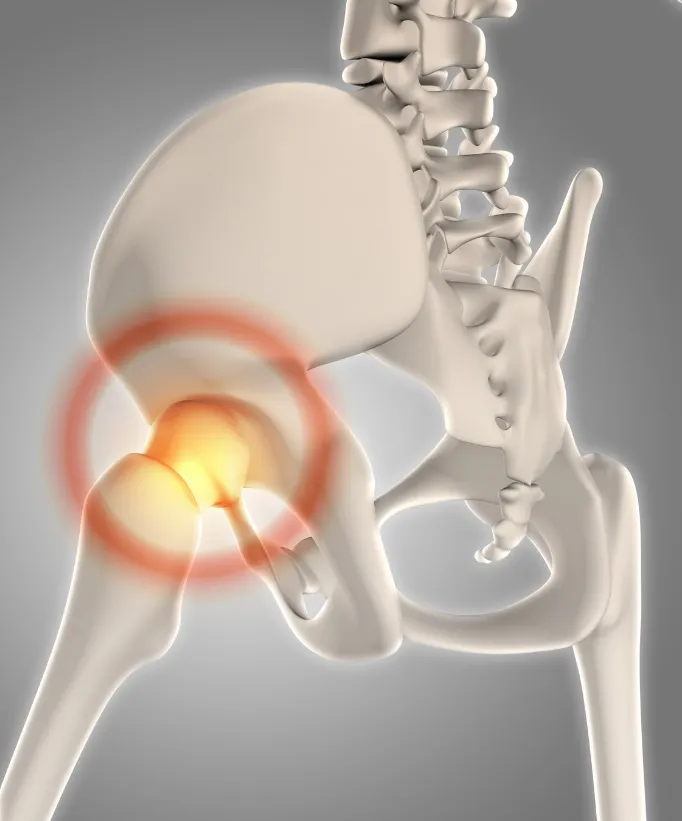
The hip is a ball-and-socket joint. Smooth cartilage covering the joint surfaces helps the ball move freely within the socket.
When this cartilage or the underlying joint is damaged, movement can become painful and restricted.
Osteoarthritis is one possible cause, but hip symptoms can also arise from inflammatory arthritis, previous injuries, avascular necrosis, certain fractures, or other orthopedic conditions.
Pain associated with the hip joint is often felt in the groin, although it may also affect the thigh or buttock.
Patients may notice:
- Pain while walking
- Increasing stiffness
- Reduced hip movement
- Difficulty sitting down or standing up
- Trouble putting on socks or shoes
- Reduced walking distance
- Pain that interferes with sleep
- Dependence on support for mobility
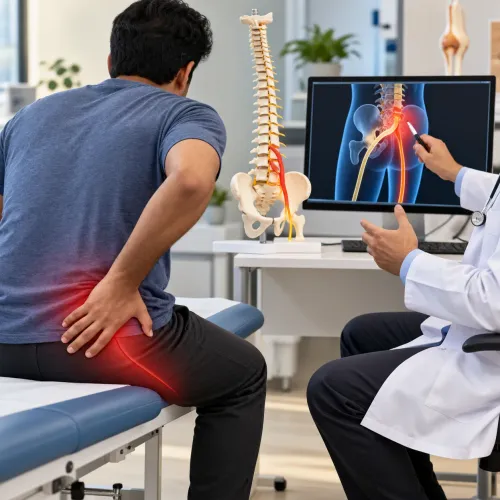
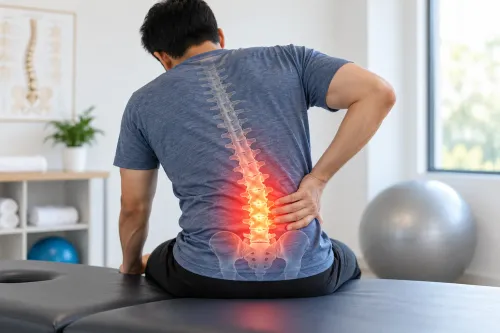
Because back problems can sometimes produce pain around the hip or leg, determining the true source of symptoms matters.
What Happens Before Surgery Is Considered
Treatment depends on the diagnosis and severity of joint damage.
For suitable patients, initial management may involve activity modification, appropriate exercise, physiotherapy, weight management, walking aids, or medications prescribed according to the person's health and symptoms.
If these measures no longer provide adequate relief and joint damage substantially affects everyday function, replacement may be discussed.
The decision should combine clinical examination and imaging with the patient's actual limitations.
What Is Replaced During Hip Replacement
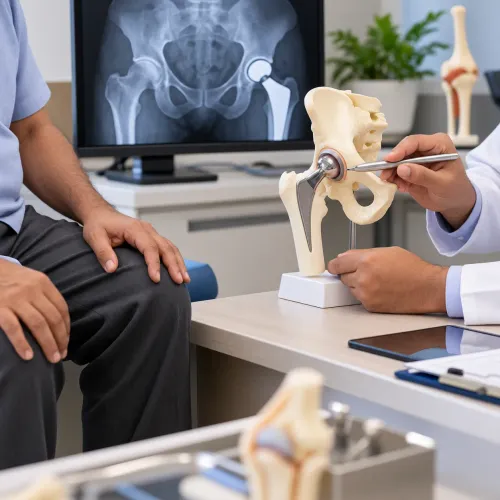
During total hip replacement, damaged portions of the hip joint are replaced with artificial components.
The exact implant and surgical plan vary according to factors such as bone quality, anatomy, diagnosis, age, activity requirements, and surgeon assessment.
Patients sometimes focus heavily on implant brands. Implant selection is important, but it is only one part of the process. Accurate diagnosis, surgical planning, infection prevention, rehabilitation, and appropriate follow-up also influence recovery.
What Does Recovery Involve
Recovery after hip replacement surgery occurs progressively.
Patients are generally encouraged to begin appropriate mobilization under medical guidance. Physiotherapy helps restore movement, muscle strength, balance, and walking ability.
Recovery timelines are not identical for everyone. A relatively active person without major medical problems may progress differently from an elderly patient with muscle weakness, osteoporosis, diabetes, or another health condition.
Following movement precautions and rehabilitation instructions is important during the early recovery period.
What Are the Risks
All major operations involve potential complications. Hip replacement risks can include infection, blood clots, dislocation, bleeding, fracture, implant-related problems, nerve or blood vessel injury, and medical complications associated with surgery or anesthesia.
Individual risk varies.
This is why preoperative evaluation is important, particularly for elderly patients or people with chronic health conditions.
Preparing for an Orthopedic Evaluation in Noida
Patients can make a consultation more useful by bringing previous X-rays, MRI scans if available, medication details, and information about earlier treatments.
It is also helpful to describe limitations specifically. Saying 'I can walk for only ten minutes before pain makes me stop' gives more useful information than simply saying 'my hip hurts badly.'
For patients exploring hip replacement surgery in Noida, Dr. A.K. Sharma – Ortho and Joint Replacement Surgeon assesses symptoms alongside examination findings, imaging, general health, and mobility needs before discussing whether replacement or continued conservative treatment is appropriate.
Across Noida and the wider Uttar Pradesh region, elderly people increasingly want to remain independent and mobile for everyday activities. Hip treatment should therefore focus on the individual rather than an X-ray alone.
The central question is not simply whether a damaged hip can be replaced. It is whether the severity of the condition, functional limitations, health profile, and expected benefits justify surgery for that particular patient.
Keywords