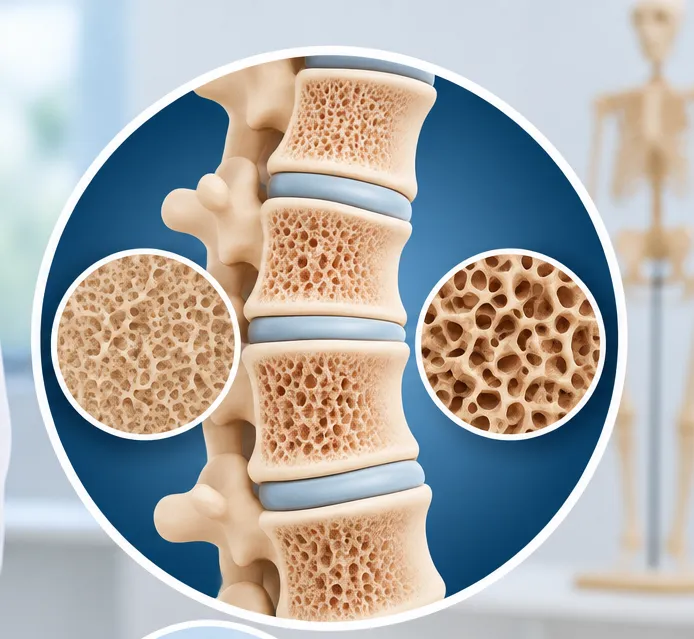
Osteoporosis is often called a silent condition because reduced bone strength may not cause obvious symptoms until a fracture occurs. A minor fall that would not seriously injure healthy bone can sometimes result in a wrist, hip, spine, or other fracture when bone strength has significantly declined.
Effective osteoporosis management is therefore not only about treating low bone density. It also involves assessing fracture risk, identifying contributing factors, reducing falls, and protecting long-term mobility.
This becomes especially important for older adults and postmenopausal women.
Who Should Discuss Bone Health With a Doctor
Age is an important risk factor, but it is not the only one.
Evaluation may be particularly relevant for people with:
- A previous fracture after relatively minor trauma
- Increasing age
- Low body weight in some circumstances
- Long-term use of certain medicines such as corticosteroids
- Family history of osteoporosis or hip fracture
- Conditions affecting nutrient absorption
- Certain hormonal or medical disorders
- Reduced mobility
- Recurrent falls
Men can develop osteoporosis as well, so bone health should not be viewed only as a women's issue.
What Does a Bone Health Assessment Include
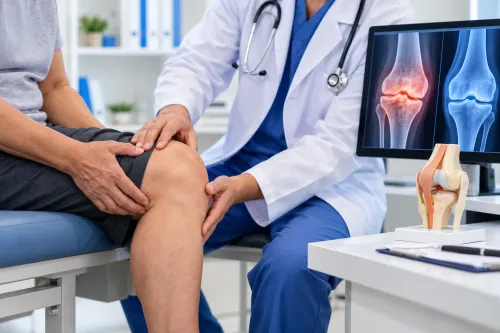
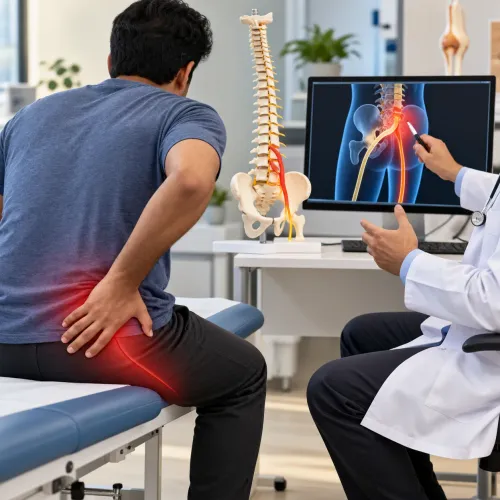
A clinician may review medical history, previous fractures, medications, diet, mobility, fall history, and other risk factors.
Bone mineral density testing may be recommended for appropriate patients. Blood investigations can sometimes help identify contributing medical or nutritional problems.
The aim is to understand both bone strength and the person's overall likelihood of fracture.
A density score should therefore be interpreted in clinical context rather than treated as an isolated number.
What Should Good Osteoporosis Management Cover
Management can involve several components.
Nutrition matters because adequate calcium and vitamin D are important for bone health, although individual supplementation should reflect dietary intake, medical status, and professional advice.
Exercise can also be useful. Weight-bearing activity, resistance exercise, balance training, and muscle strengthening may contribute to maintaining physical function and reducing fall risk when performed appropriately.
Medication may be recommended for selected patients according to fracture risk and medical assessment.
Different osteoporosis medicines work in different ways and have different dosing schedules, benefits, precautions, and monitoring requirements. Treatment should therefore be individualized rather than started casually.
Do Not Ignore Fall Prevention
For elderly patients, preventing falls can be just as important as addressing bone density.
Practical measures can include:
- Improving lighting at home
- Removing loose rugs and trip hazards
- Using suitable footwear
- Reviewing balance problems
- Addressing muscle weakness
- Checking whether walking support is needed
- Discussing medicines that may contribute to dizziness where relevant
A fracture is produced by both vulnerable bone and the force placed on it. Reducing the likelihood of a fall addresses the second part of that equation.
Why a Previous Fragility Fracture Matters
A fracture after a relatively low-impact fall can be an important warning sign.
Treating the broken bone is essential, but the underlying bone health also deserves attention. Otherwise, the opportunity to identify elevated future fracture risk may be missed.
This is particularly relevant after hip, wrist, or vertebral fractures in older adults.
Choosing Care in Noida
Patients seeking osteoporosis management in Noida should look for an assessment that connects bone health with mobility and fracture prevention rather than focusing on a test report alone.
Dr. A.K. Sharma – Ortho and Joint Replacement Surgeon can assess orthopedic factors such as previous fractures, mobility limitations, bone-related injuries, and fall-related concerns while coordinating investigations and treatment according to the patient's clinical requirements.
For families caring for elderly relatives in Noida and other parts of Uttar Pradesh, unexplained height loss, increasing stooped posture, previous low-impact fractures, or repeated falls should not simply be accepted as inevitable consequences of ageing.
Bone health can influence independence substantially. Identifying osteoporosis and fracture risk before a major injury provides an opportunity to address modifiable factors, improve physical function, and create a more appropriate long-term bone health plan.
Keywords