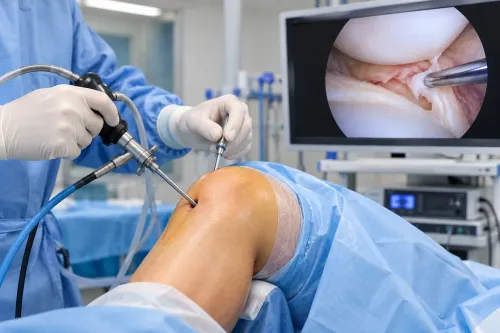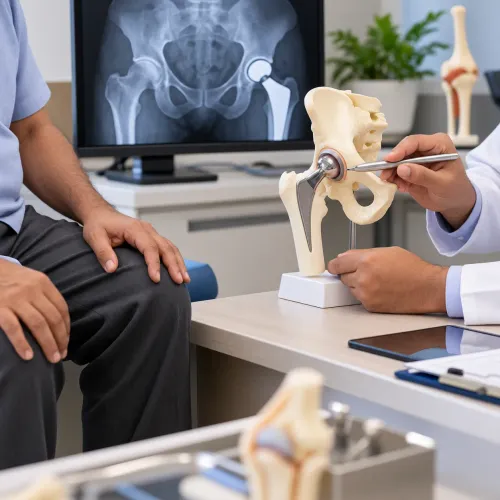
Knee pain can gradually take away the simple pleasures of daily life. Walking to the market, climbing stairs, getting up from a chair, or even standing for a few minutes may become increasingly difficult. While medications and physiotherapy often provide relief during the early stages of joint problems, there comes a point when these treatments may no longer be enough.
Understanding when knee joint replacement surgery becomes a suitable option helps patients make informed decisions instead of delaying treatment unnecessarily.
What Causes Severe Knee Joint Damage?
The knee is one of the body's most heavily used joints. Years of movement, previous injuries, and certain medical conditions can gradually wear away the protective cartilage.
Common causes include:
- Osteoarthritis
- Rheumatoid arthritis
- Post-traumatic arthritis
- Previous fractures
- Ligament injuries
- Obesity
- Age-related cartilage degeneration
As cartilage deteriorates, bones begin rubbing against each other, causing pain, stiffness, and inflammation.
Symptoms That Should Not Be Ignored
Many people continue living with severe discomfort, believing surgery should only be considered when they can no longer walk. In reality, earlier intervention often leads to better outcomes.
Watch for symptoms such as:
- Persistent knee pain despite medication
- Difficulty climbing stairs
- Pain while resting
- Swollen knee joints
- Knee deformity
- Reduced flexibility
- Difficulty standing after sitting
- Frequent instability while walking
- Dependence on walking aids
When these symptoms significantly affect everyday activities, a specialist evaluation becomes important.
When Conservative Treatment Stops Working
Doctors usually recommend non-surgical treatments before considering surgery.
These may include:
- Pain-relieving medications
- Physiotherapy
- Weight reduction
- Exercise programs
- Knee braces
- Lifestyle modifications
- Joint injections
If these methods no longer improve mobility or reduce pain, knee replacement may become the next step.
Understanding Knee Joint Replacement Surgery
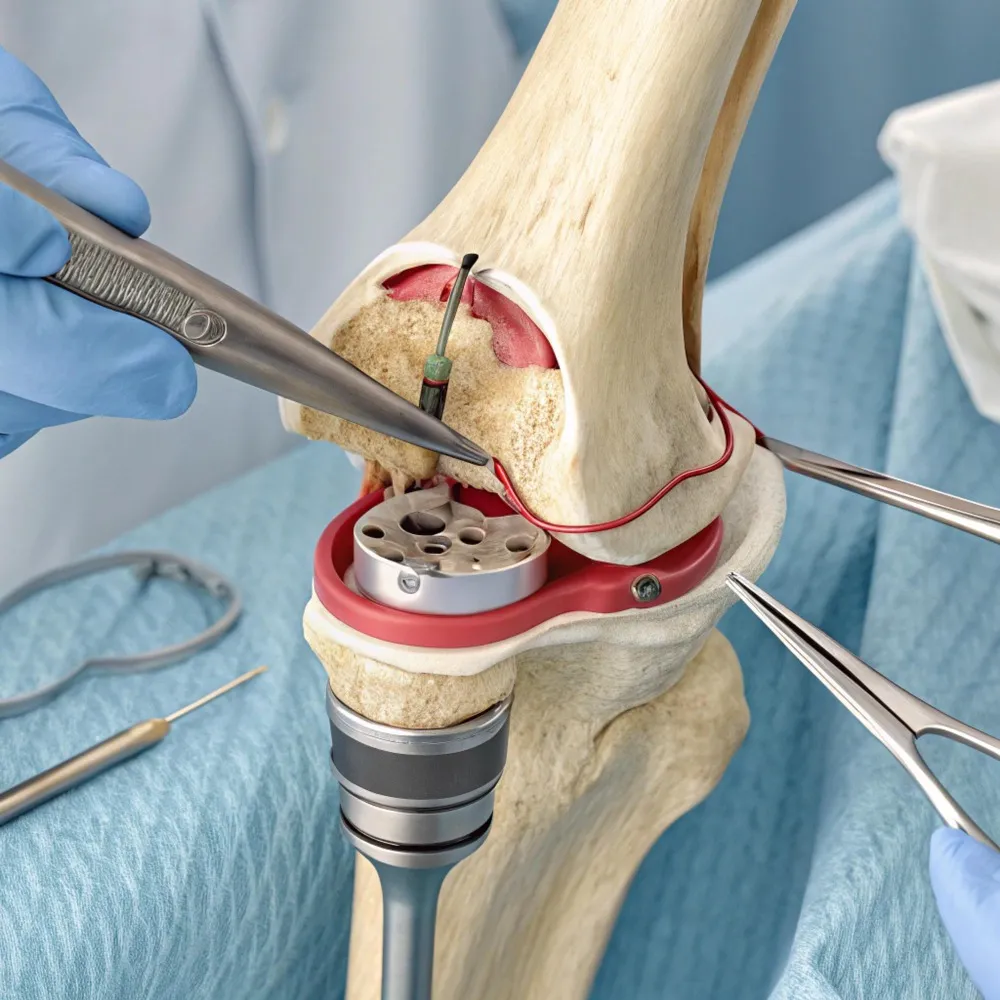
During knee joint replacement surgery, damaged cartilage and worn joint surfaces are replaced with specially designed artificial components that restore smoother movement.
Contrary to common myths, the procedure does not replace the entire leg. Only the damaged portions of the knee joint are treated.
Modern surgical techniques have significantly improved:
- Surgical precision
- Recovery timelines
- Pain management
- Implant durability
- Overall mobility outcomes
Who Is a Suitable Candidate?
Not everyone with knee pain requires surgery.
Candidates often include people who experience:
- Advanced arthritis
- Severe cartilage loss
- Constant pain affecting daily life
- Poor mobility
- Night-time pain
- Limited improvement after conservative treatment
Age alone is not the deciding factor. Overall health, activity level, imaging findings, and functional limitations are considered together before recommending surgery.
Recovery After Knee Replacement
Recovery is a gradual process supported by physiotherapy and guided rehabilitation.
Patients typically focus on:
- Early walking
- Knee strengthening exercises
- Improving flexibility
- Restoring balance
- Building confidence during movement
- Returning to normal activities safely
Following the rehabilitation plan consistently often contributes significantly to long-term success.
Benefits Beyond Pain Relief
Many patients notice improvements extending well beyond reduced pain.
Potential benefits include:
- Better walking ability
- Improved joint stability
- Increased independence
- Easier stair climbing
- Better sleep quality
- Higher confidence during movement
- Improved participation in social activities
These improvements can positively influence overall physical and emotional well-being.
Choosing Experienced Orthopedic Care in Noida
Patients across Noida increasingly seek specialized orthopedic care for advanced arthritis and complex knee conditions. Selecting an experienced surgeon ensures that treatment recommendations are based on careful evaluation rather than immediate surgical decisions.
Dr. A.K. Sharma, Ortho and Joint Replacement Surgeon evaluates each patient individually, considering symptoms, imaging findings, activity level, and overall health before recommending knee joint replacement surgery. This patient-focused approach helps ensure that surgery is advised only when it offers meaningful long-term benefits.
Living with constant knee pain should never become the new normal. Understanding the signs early allows patients to explore appropriate treatment options and regain confidence in everyday movement before joint damage progresses further.
Keywords