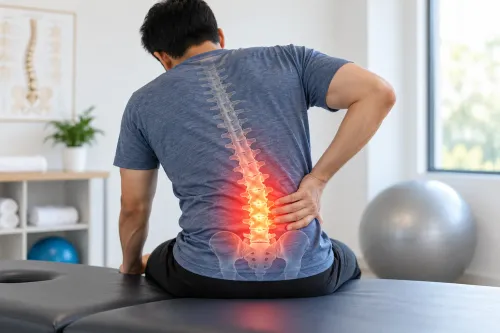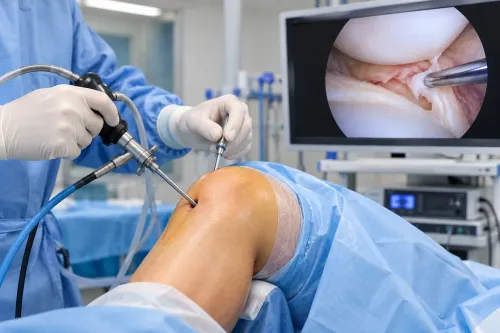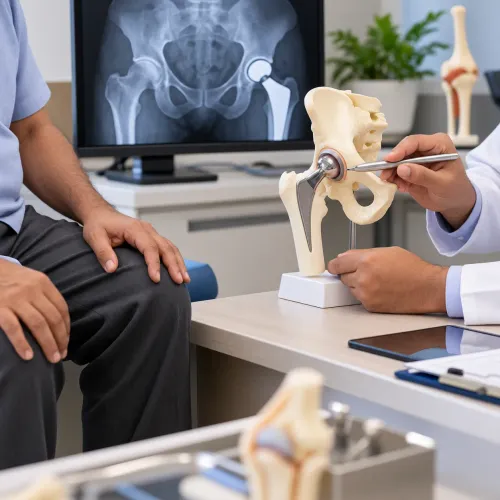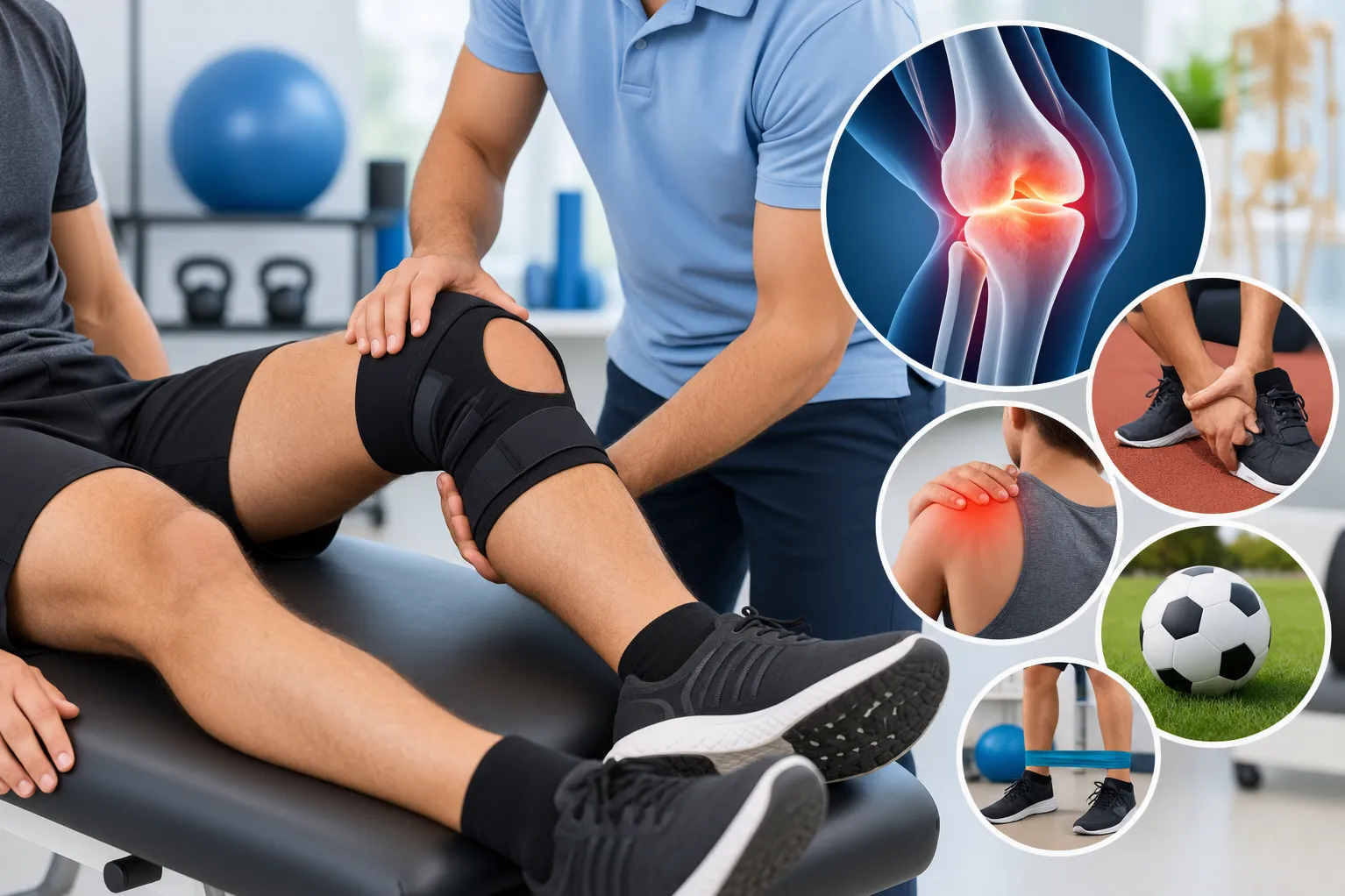
Sports injuries can be deceptive. Pain may decrease within a few days even though strength, stability, coordination, or tissue healing has not fully recovered. Returning to running, football, badminton, cricket, gym training, or another demanding activity solely because the pain has improved can increase the chance of recurring problems.
For this reason, effective sports injury treatment should address both the injured structure and the physical demands of returning to activity.
Start With an Accurate Injury Diagnosis
'Knee injury' or 'shoulder pain' is not a complete diagnosis.
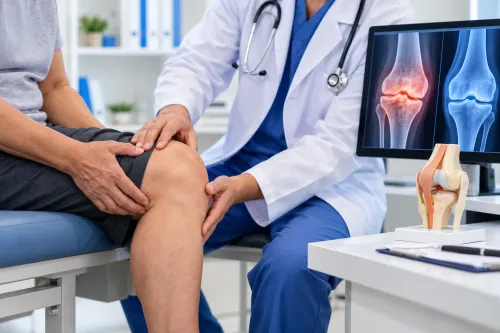
A knee injury may involve the ACL, meniscus, collateral ligaments, cartilage, tendons, muscles, or bone. An ankle injury could range from a mild sprain to a fracture or significant ligament injury.
The treatment and recovery requirements can be very different.
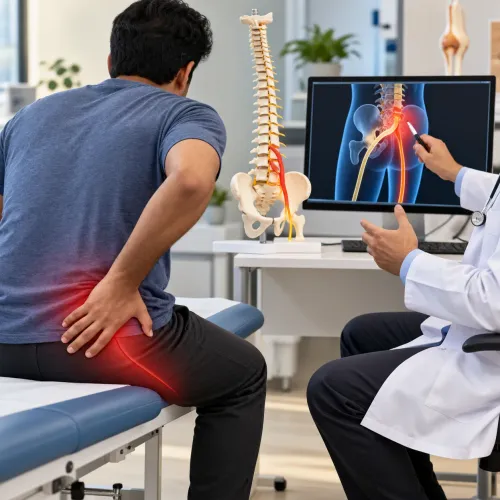
An orthopedic assessment considers how the injury happened, where symptoms occur, swelling, movement, stability, strength, and ability to bear weight.
X-rays, MRI, or other investigations may be used when clinically appropriate.
Pain Relief Is Only One Recovery Marker
One of the most common return-to-sport mistakes is using pain as the only measure of recovery.
Before returning to demanding activity, other factors may need assessment:
- Joint movement
- Muscle strength
- Stability
- Balance
- Control during landing
- Ability to change direction
- Sport-specific movement
- Confidence in the injured limb
- Response to progressively increased training loads
Which factors matter most depends on the injury.
An athlete recovering from an ACL injury requires different testing from someone recovering from a minor muscle strain.
Rehabilitation Should Progress in Stages
Appropriate rehabilitation is usually progressive.
Early treatment may focus on controlling symptoms and restoring comfortable movement. Strength and balance exercises can then be introduced according to the condition.
Later stages may involve more demanding functional movements.
For sports requiring running and direction changes, progression might eventually include jogging, acceleration, deceleration, jumping, landing, and controlled cutting drills where medically appropriate.
Skipping stages can leave hidden deficits even when everyday walking feels normal.
Know When a Sports Injury Needs Orthopedic Review
Minor aches after unfamiliar exercise may settle with appropriate recovery. Certain symptoms, however, justify closer evaluation.
These include:
- Inability to bear weight after an injury
- Significant swelling
- Visible deformity
- Repeated knee giving way
- Joint locking
- Persistent pain
- Loss of movement
- Significant weakness
- Symptoms recurring every time training resumes
Continuing to play through these problems can make assessment more difficult and may aggravate certain injuries.
Ask How Return to Sport Will Be Decided
When selecting a provider for sports injury treatment, athletes should ask how readiness for training will be evaluated.
A time-based answer alone may be insufficient for major injuries.
Recovery should consider tissue healing alongside strength and functional ability. In selected cases, objective testing can help identify differences between the injured and uninjured sides.
Athletes should also understand what workload they can initially tolerate and how training intensity should increase.
Surgical and Non-Surgical Care Should Both Be Considered
Not every ligament, meniscus, or tendon injury requires surgery.
Conversely, some unstable injuries or significant structural damage may benefit from operative treatment depending on the patient's activity goals and clinical findings.
The decision should be based on the actual injury rather than the assumption that athletes always need surgery to return to sport.
For patients seeking sports injury treatment in Noida, Dr. A.K. Sharma – Ortho and Joint Replacement Surgeon evaluates musculoskeletal injuries with attention to joint stability, imaging findings, activity demands, and rehabilitation requirements.
Noida has an active population participating in gyms, running, recreational cricket, football, badminton, and other sports across the Delhi NCR region. Whether someone is a competitive athlete or exercises recreationally, the same principle applies: returning safely requires more than waiting for pain to disappear.
A well-planned return should occur when healing and physical function are sufficiently restored for the demands the body will face next.
Keywords