Knee pain can gradually change the way a person walks, climbs stairs, sleeps, works, and performs everyday activities. While many knee problems can be managed without surgery, persistent joint damage may eventually lead patients to explore knee replacement treatment.
The decision is not based on age alone. Orthopedic assessment usually considers the cause of pain, severity of joint damage, limitations in daily life, previous treatments, overall health, and findings from physical examination and imaging.
For patients in Noida and surrounding areas of Uttar Pradesh, understanding these factors can make discussions about knee replacement more informed and realistic.
Why Does a Knee Joint Become Painful?
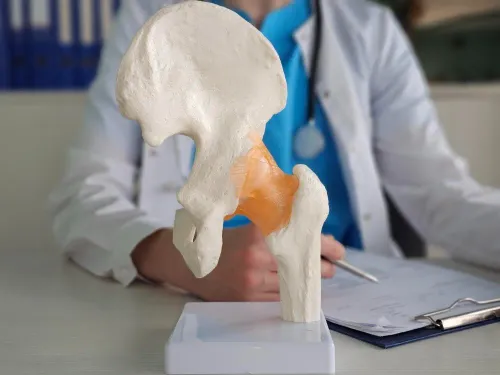
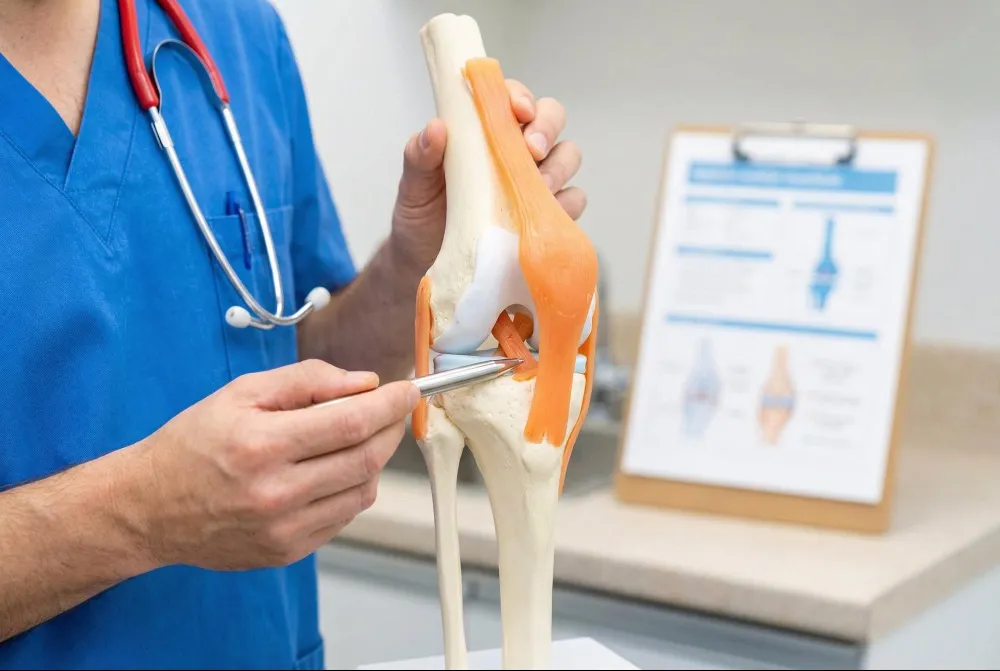
The knee is formed by the thigh bone, shin bone, kneecap, cartilage, ligaments, and surrounding muscles. Healthy cartilage allows the joint surfaces to move with relatively low friction.
Conditions such as osteoarthritis can progressively damage this cartilage. As joint degeneration advances, patients may develop pain, stiffness, swelling, reduced movement, and difficulty bearing weight.
Other conditions, previous injuries, deformities, or inflammatory joint disorders may also contribute to significant knee damage.
Signs That Need Orthopedic Assessment
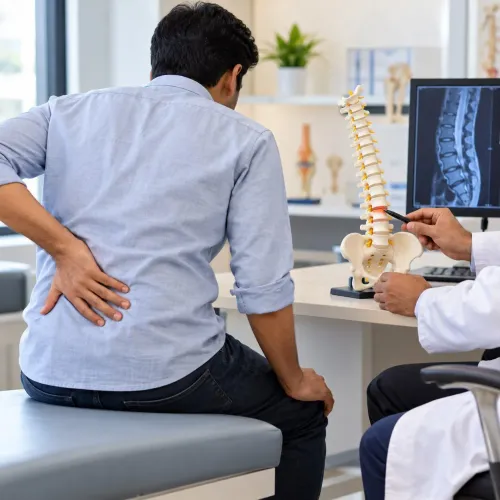
Occasional knee discomfort does not automatically mean that joint replacement is required. Assessment becomes particularly useful when symptoms persist or begin interfering with normal activities.
Common concerns include:
- Pain while walking or standing
- Difficulty climbing or descending stairs
- Persistent stiffness after rest
- Reduced knee movement
- Recurrent swelling
- Pain that affects sleep
- Difficulty getting up from a chair
- Increasing dependence on support while walking
- Progressive bowing or other knee deformity
- Reduced ability to perform routine activities
The effect of these symptoms on daily life is often as important as the pain score itself.
Is Surgery Always the First Treatment?
No. Depending on the diagnosis and severity of disease, earlier-stage knee problems may be managed with a combination of activity modification, physiotherapy, appropriate exercises, weight management where relevant, medication, and other clinically suitable measures.
An orthopedic surgeon may review what treatments have already been attempted and whether they continue to provide meaningful relief.
If symptoms remain manageable and joint function is reasonably preserved, surgery may not be necessary.
What Happens During Knee Replacement?
Knee replacement does not simply involve removing the entire knee. During the procedure, damaged joint surfaces are prepared and replaced with prosthetic components designed to restore smoother joint movement.
Depending on the pattern and extent of damage, different surgical approaches may be considered. The appropriate option depends on the individual knee rather than a single standard procedure for every patient.
What Tests May Be Needed?
Evaluation typically begins with a detailed history and physical examination. The surgeon may assess walking pattern, tenderness, stability, range of motion, deformity, and the effect of symptoms on daily activities.
X-rays commonly help determine the degree and distribution of joint damage. Additional investigations may be recommended when clinically necessary.
If surgery is being considered, general medical fitness also becomes important. Conditions such as diabetes, hypertension, heart disease, anemia, or other health concerns may need appropriate assessment before an operation.
Recovery Is Part of the Treatment
Patients often focus heavily on the operation itself, but recovery and rehabilitation are equally important.
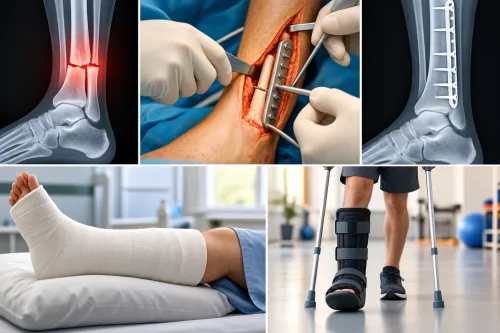
Postoperative care may include pain management, wound care, gradual mobilization, exercises, physiotherapy, and follow-up assessments. Recovery varies between individuals according to age, general health, muscle strength, surgical factors, and adherence to rehabilitation.
Patients should therefore discuss expected milestones rather than assuming that everyone follows an identical recovery timeline.
Making an Informed Decision
Knee replacement is generally considered when structural joint damage and persistent symptoms significantly affect quality of life and suitable nonsurgical measures are no longer providing adequate control.
For people experiencing persistent knee problems in Noida, an orthopedic evaluation can help distinguish temporary knee pain from advanced joint disease. Dr. A.K. Sharma, Ortho and Joint Replacement Surgeon can assess clinical symptoms, mobility, previous treatment and imaging findings to determine whether continued conservative care or surgical planning deserves consideration.
The most useful question is not simply, “Am I old enough for knee replacement?” It is whether the condition of the knee and its effect on everyday life justify moving to the next stage of treatment.
Keywords