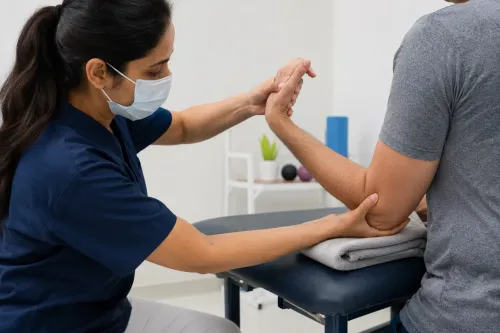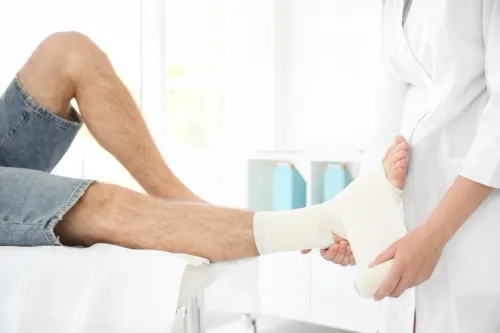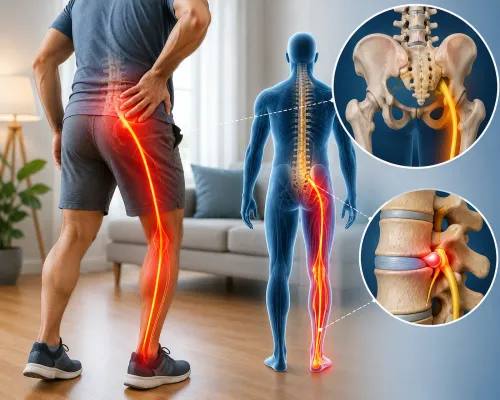
Recovering from a sports injury is about more than allowing pain to disappear. Whether the injury occurred on a football field, cricket ground, badminton court, gym, or during recreational fitness activities, proper rehabilitation is essential for restoring strength, mobility, and confidence. Returning to sports too early without completing rehabilitation increases the risk of re-injury and may prolong recovery.
Sports injury rehabilitation is a structured process that helps athletes and active individuals regain normal movement while reducing the chances of future injuries. A carefully planned rehabilitation program is just as important as the initial treatment itself.
Why Rehabilitation Matters After a Sports Injury
Many sports injuries affect muscles, ligaments, tendons, cartilage, or joints. Even after the damaged tissue begins healing, surrounding muscles often become weaker because of reduced activity.
A well-designed rehabilitation program helps:
- Restore joint movement
- Improve muscle strength
- Reduce stiffness
- Improve flexibility
- Rebuild balance and coordination
- Increase endurance
- Prepare the body for safe return to activity
Skipping rehabilitation may leave the injured area vulnerable even if pain has improved.
Common Injuries That Benefit from Rehabilitation
Rehabilitation is recommended for a wide range of orthopedic injuries, including:
- ACL ligament injuries
- Meniscus tears
- Shoulder dislocations
- Rotator cuff injuries
- Ankle sprains
- Tennis elbow
- Muscle strains
- Fractures
- Hamstring injuries
- Achilles tendon injuries
Every injury requires a personalized rehabilitation plan based on its severity and the patient's activity level.
Stages of Sports Injury Rehabilitation
Recovery progresses through several carefully monitored stages rather than following a fixed timeline.
Pain and Swelling Control
The first stage focuses on protecting the injured area while reducing inflammation.
Treatment may include:
- Rest
- Ice therapy
- Compression
- Elevation
- Gentle protected movement
The goal is to create an environment that supports healing.
Restoring Mobility
Once pain begins to decrease, attention shifts to improving flexibility and restoring normal joint movement.
Patients may perform:
- Range-of-motion exercises
- Gentle stretching
- Controlled joint mobilization
- Light functional movements
Maintaining mobility helps prevent long-term stiffness.
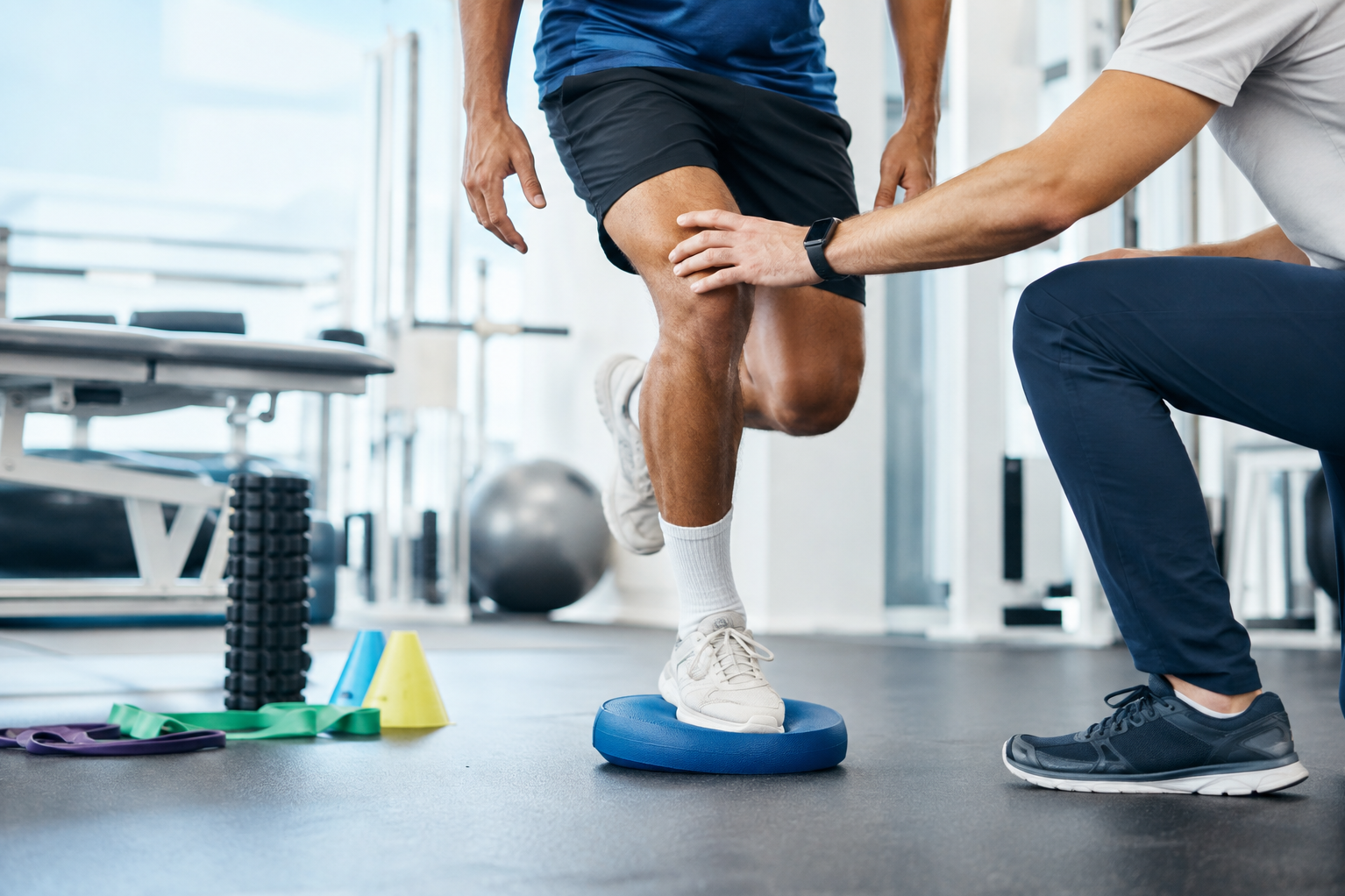
Strength and Stability Training
As healing progresses, strengthening exercises become increasingly important.
Rehabilitation commonly includes:
- Resistance exercises
- Core strengthening
- Balance training
- Functional strengthening
- Muscle endurance exercises
These activities improve joint stability and prepare the body for higher levels of activity.
Functional Recovery
The final stage prepares patients for everyday activities and sports participation.
Depending on the injury, rehabilitation may include:
- Running drills
- Agility exercises
- Jump training
- Direction-change movements
- Sport-specific practice
Progression depends on individual recovery rather than predetermined timelines.
How to Know You're Ready to Return
Returning too soon may increase the risk of another injury. Orthopedic specialists evaluate several factors before recommending a return to sports.
These include:
- Full range of motion
- Adequate muscle strength
- Stable joint function
- Good balance
- Pain-free movement
- Ability to perform sport-specific tasks
Meeting these milestones is often more important than the number of weeks since the injury.
Choosing the Right Rehabilitation Provider
Successful rehabilitation depends on accurate diagnosis, regular monitoring, and individualized exercise progression.
Look for a provider who offers:
- Comprehensive orthopedic assessment
- Evidence-based rehabilitation plans
- Regular progress evaluations
- Clear recovery goals
- Personalized exercise guidance
- Long-term injury prevention advice
A structured approach helps patients recover safely while reducing the risk of recurring injuries.
Sports Injury Care in Noida
With increasing participation in recreational sports, marathon events, cycling, fitness training, and competitive athletics, sports injuries have become more common in Noida. Early rehabilitation helps active individuals recover more efficiently while restoring confidence in movement.
Dr. A.K. Sharma, Ortho and Joint Replacement Surgeon provides comprehensive management for sports injuries, combining accurate diagnosis with individualized rehabilitation strategies designed to improve strength, mobility, and functional recovery. Each treatment plan is tailored according to the patient's injury, fitness level, and future activity goals.
Completing sports injury rehabilitation is an investment in long-term joint health. With consistent therapy and expert guidance, many patients return to their preferred activities safely while minimizing the risk of future setbacks.