A suspected fracture needs more than an X-ray and a cast: the first hours, treatment choice, follow-up visits and rehabilitation all affect recovery. You will learn what to do before reaching care, what clinicians check, when surgery is considered, how to protect a cast or repair, and which symptoms require urgent help.
Key takeaways
- Keep the injured limb still and check circulation, sensation and skin colour.
- Emergency assessment may include X-rays, CT scans and checks for nerve or blood-vessel damage.
- Treatment can involve a splint, cast, reduction or surgery, depending on fracture stability.
- Follow-up appointments guide weight-bearing, exercises and a safe return to normal activity.
What should you do before reaching medical care?
Keep the suspected fracture still and arrange medical assessment promptly; do not wait for a routine appointment if circulation, sensation or breathing is threatened.
1. Support the injured area in its current position with a padded splint, using materials that support above and below the suspected break. Do not straighten the bone or push a deformity back into place.
2. Remove rings, watches, bracelets and tight clothing before swelling increases. Leave the limb supported and avoid testing movement or putting weight on it.
3. If the skin is open, cover the wound with a clean dressing. Do not probe the wound, push exposed bone back, or wash inside it. An open fracture needs urgent hospital assessment.
4. Call 112 in Noida for heavy bleeding, visible bone, severe deformity, a cold, pale or blue finger or toe, numbness, loss of movement, rapidly worsening swelling, breathing difficulty, or an injury to the head, neck, spine, pelvis or chest.
Do not spend time searching for a fracture doctor near me when a life-threatening sign is present; an ambulance and emergency department can address bleeding, breathing and damaged blood vessels or nerves immediately.
For a stable injury without these signs, keep the area immobilised and go to an orthopaedic or emergency department promptly rather than relying on an online diagnosis.
What happens during emergency assessment and diagnosis?
Triage identifies immediate threats such as heavy bleeding, loss of a pulse, severe deformity, breathing problems or major injuries to the head, neck, spine, pelvis or chest. Clinicians control pain, support the injured limb and record your condition before any reduction, splinting or surgery.
1. They inspect the skin for swelling, bruising, cuts, blisters and wounds. A fracture is closed when the skin remains intact; a wound near the break makes it an open fracture, even if bone is not visible. Exposed bone or contamination requires urgent specialist assessment, intravenous antibiotics, tetanus assessment and surgical cleaning.
2. They check pulses, capillary refill, warmth, sensation, strength and finger or toe movement below the injury. Capillary refill means pressing a nail or fingertip until it blanches and watching colour return. These checks are repeated after a splint, cast or reduction because swelling or altered alignment can restrict blood flow or injure a nerve.
3. X-rays are usually the first investigation because they show most breaks, displacement and alignment quickly. CT defines complex, joint-involving or pelvic fractures; MRI helps find an occult fracture when X-rays do not explain persistent pain and assesses cartilage, ligaments and other soft tissues.
Bring these details to the fracture treatment process in Noida:
- Injury mechanism and date, plus prior X-rays or scan files
- Medicines, allergies, diabetes and blood-thinner use
- Osteoporosis history and your last tetanus vaccination
How do doctors choose a splint, cast, reduction or surgery?
Two people with broken bones can receive different treatment because the fracture’s position, stability and effect on nearby tissues are different. The bone injury treatment steps also consider displacement, alignment, joint involvement, soft-tissue damage, open-wound contamination, blood-vessel or nerve injury, age and activity goals.
| Option | What it does | When it applies |
|---|---|---|
| Splint | Holds the limb without fully enclosing it | First treatment while swelling rises |
| Cast or brace | Maintains alignment during healing | Stable fractures after swelling settles |
| Reduction | Realigns the broken bone before immobilisation | Displaced fractures that can be corrected without surgery |
| Traction | Uses controlled pulling to maintain position | Selected fractures while awaiting definitive treatment |
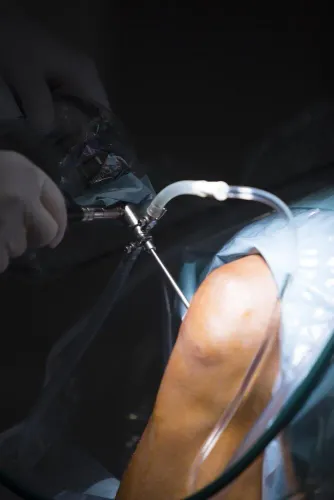
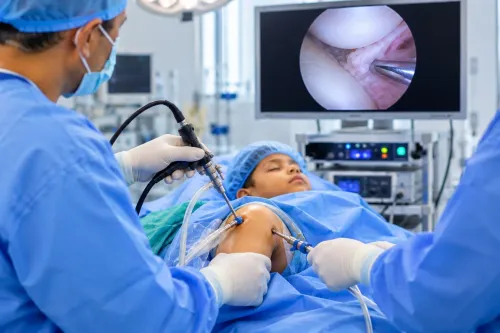
| Surgery | Fixes bone with plates, screws, rods, pins or an external fixator | Alignment will not stay in a cast, or the joint, skin, vessels or nerves are significantly involved |
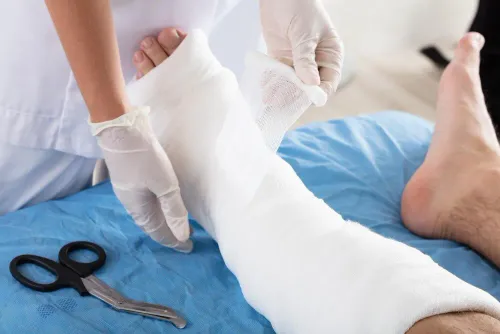
A temporary splint limits pressure while swelling increases; an immediate full cast can become dangerously tight. After swelling improves, a cast, removable brace or traction may follow. Reduction can use local or regional anaesthesia, sedation or general anaesthesia. If the bone shifts again inside the cast, fixation is more reliable.
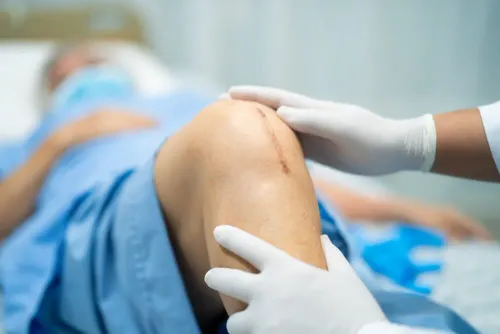
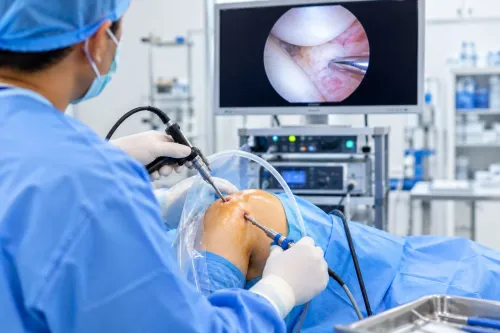
With fixation, expect an incision or pin sites, pain control, wound instructions and follow-up imaging. Some patients go home the same day; others need hospital care for swelling, an open injury or complex surgery. Open fractures require urgent operative planning, intravenous antibiotics, tetanus assessment and surgical cleaning—not routine cast treatment.
What should you expect after discharge and at follow-up?
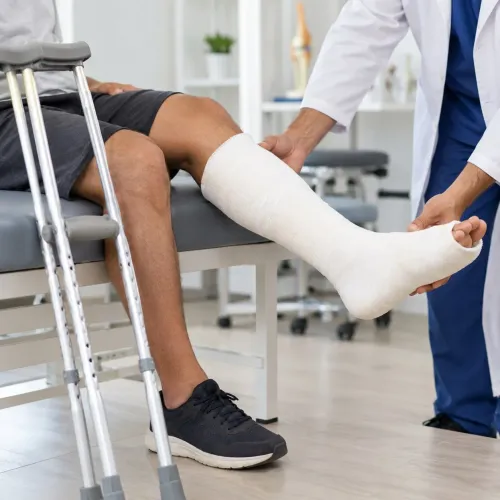
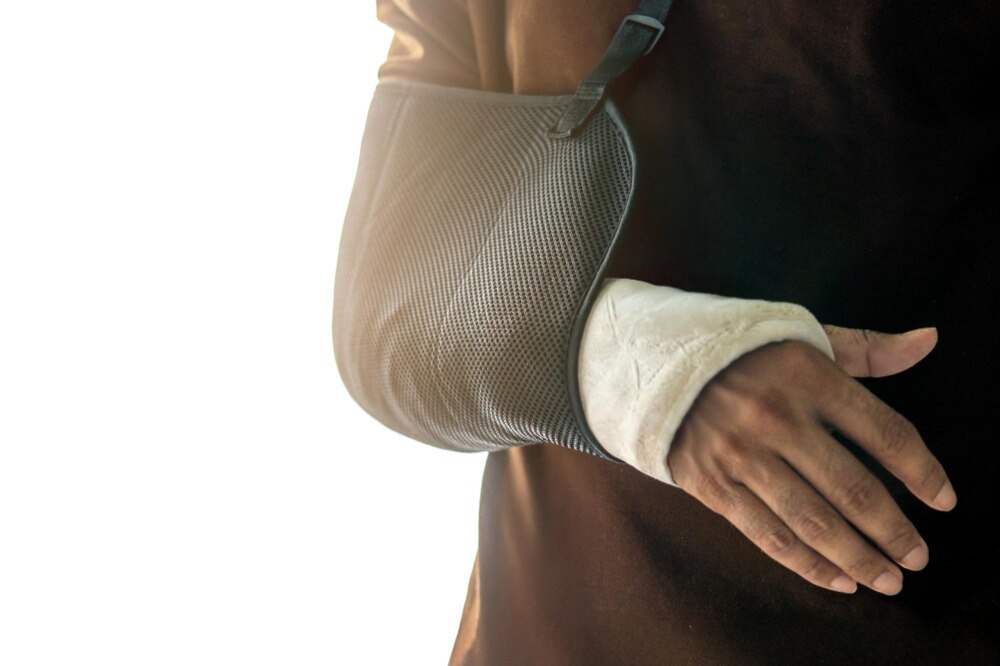
After discharge, keep the cast or splint dry, elevate the limb above heart level when resting, and move unaffected joints to reduce stiffness and swelling. Follow the stated weight-bearing restriction exactly; learn safe crutch use from your care team instead of testing whether the repair can take your weight.
Check the skin around the cast or splint each day for redness, rubbing, blistering or a painful pressure area. Never push a pen, stick or other object inside to scratch; it can injure skin and create an infection.
Return urgently for:
- Increasing or severe pain
- Pressure or tightness inside the cast or splint
- Numbness or tingling
- Pale or blue fingers or toes
- Inability to move the fingers or toes
- Worsening swelling
- Foul drainage or fever
- A painful pressure area that is worsening
Follow-up is essential even when pain improves. The clinician may order repeat X-rays to confirm alignment, examine swelling, review a wound or pin site, and recheck circulation, warmth, sensation and movement. The appointment timing depends on the bone, fracture stability, age and treatment method.
For structured fracture care in Noida after emergency treatment, Dr.A.K.Sharma-Ortho & joint replacement surgeon can help coordinate these checks; discharge marks the next phase of care, not its end.
Related service
Expert Fracture and Trauma Care Specialized Treatment from Top Orthopaedic Surgeons in Noida and Delhi NCR Welcome to our Fracture and Trauma Care... View service → |
When can you return to normal activity, and what can delay recovery?
An uncomplicated broken arm or wrist commonly heals in about 6–8 weeks, but full loading and sport can take longer. What happens after a fracture includes stiffness and muscle loss: bone healing alone does not restore movement, strength, balance or confidence.
1. Keep the stated movement, lifting and weight-bearing restriction until the treating clinician clears you. Forcing movement or testing the repair can shift an unstable fracture and delay healing.
2. Once movement or weight-bearing is permitted, physiotherapy and prescribed home exercises rebuild range of motion, strength, balance and confidence. Recovery takes longer when the fracture is complex, has poor blood supply, or involves smoking, diabetes, older age, surgery or infection.
3. Seek emergency care for severe or disproportionate pain, a tense swollen limb, pain with passive stretching, new weakness or numbness, or rapidly increasing swelling. These signs can indicate acute compartment syndrome, which requires emergency surgery rather than waiting for a follow-up appointment.
4. Treat the calendar as a guide, not clearance. A cast does not prove that the bone can tolerate normal loads; your clinician uses examination and follow-up imaging to decide when work, lifting, driving or sport is safe.
5. After a low-energy fall in an older adult, ask about bone-density testing and fracture-risk assessment. The injury may be a fragility fracture linked to osteoporosis, so preventing the next fracture becomes part of recovery.
Frequently asked questions
What should you do before reaching medical care after a suspected fracture?
Keep the injured area still, support it with a splint if safe, cover an open wound with a clean dressing and arrange prompt medical assessment. Do not push a protruding bone back or give food and drink if surgery may be needed.
What happens during emergency assessment and diagnosis?
A clinician checks pain, swelling, deformity, skin condition, circulation, sensation and movement. X-rays usually confirm the fracture; CT or other imaging may be ordered for complex injuries or joint involvement.
How do doctors choose between a splint, cast, reduction and surgery?
The choice depends on the bone involved, fracture alignment, stability, skin and soft-tissue damage, joint involvement, and nerve or blood-vessel findings. A reduction realigns displaced bone, while surgery stabilises fractures that cannot stay aligned without fixation.
What should you expect after discharge and at follow-up?
You will receive instructions for pain medicine, elevation, wound or cast care, weight-bearing and warning signs. Follow-up imaging checks alignment and healing, and rehabilitation restores strength and joint movement.
When can you return to normal activity after a fracture?
Return depends on bone healing, pain, movement, strength and the activity involved. Follow the staged plan from your fracture doctor, because early loading, smoking, poor nutrition, infection, diabetes or severe soft-tissue injury can delay recovery.
Keywords