Rain, waterlogged roads and slippery surfaces can turn a suspected fracture into a dangerous journey, especially when bleeding, deformity or poor circulation is involved. You will learn how to judge the right care setting, protect the injury during transport and ask useful questions before travelling through monsoon traffic.
Key takeaways
- Choose a hospital emergency department or trauma centre with on-site X-ray.
- Seek same-day assessment for deformity, severe pain, swelling or loss of movement.
- Call 112 when flooding or injury makes car or two-wheeler travel unsafe.
- Keep the injured area still and supported while waiting for transport.
Choose the Right Place for Fracture Care Before You Travel
For a suspected fracture, choose a hospital emergency department or trauma centre in Noida, not a routine consultation clinic. The right facility for fracture treatment in Noida during monsoon should provide immediate X-ray, orthopaedic assessment, pain relief, immobilisation, fracture reduction and referral for surgery when required.
| Facility | What it should provide | When it is appropriate |
|---|---|---|
| Hospital emergency department | X-ray, circulation checks, splinting, reduction, anaesthesia and inpatient monitoring | Severe pain, deformity, open wound or uncertain injury |
| Trauma centre | Emergency orthopaedic and surgical care, including wound management | Suspected open fracture, vascular injury, multiple injuries or major trauma |
| Standalone orthopaedic clinic | Consultation, selected imaging and outpatient follow-up | Stable injury after emergency problems have been excluded |
Before travelling, call to confirm that the emergency entrance is open, imaging is available on site and an orthopaedic team can assess the injury. Check the route for waterlogging, flooded underpasses and slippery access points.
Do not delay urgent fracture care in Noida to make several calls if there is heavy bleeding, exposed bone, numbness or a cold, blue hand or foot.
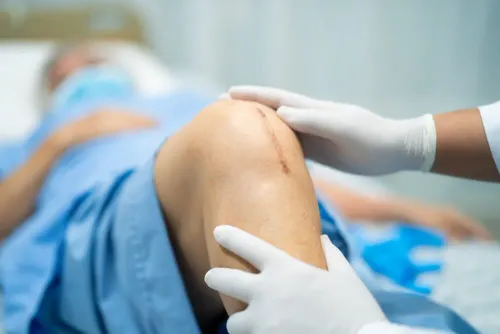
Ask whether the facility provides follow-up X-rays, cast checks and reassessment of alignment, swelling, skin condition and circulation. A temporary splint can hide worsening swelling during the first week.
Use 112 instead of travelling independently when the person cannot be moved safely, has a suspected spinal injury or has major bleeding. Keep the injured part still until help arrives.
Recognise the Injuries That Need Same-Day Assessment
Visible deformity, an open wound, or pain after a high-impact fall or crash warrants same-day fracture assessment. Do not wait for a routine appointment if swelling rapidly increases, the person cannot bear weight, or the limb looks shorter or twisted.
A fracture doctor in Noida can assess these signs, but severe presentations belong in a hospital emergency department or trauma centre.
Seek urgent care for:
- Bone visible through the skin, or a wound over the suspected fracture
- Uncontrolled bleeding or heavy contamination from rainwater or floodwater
- Numbness, tingling, weakness, or inability to move the fingers or toes
- Pale, blue, cold fingers or toes compared with the uninjured side
- Severe pain, marked swelling, or skin stretched tightly over the injury
- Suspected injury to the head, neck, spine, pelvis, chest, or more than one body area
| Finding | What it may indicate | Decision |
|---|---|---|
| Mild pain, little swelling, normal sensation and safe walking | Minor injury remains possible, but a fracture is not excluded | Arrange assessment promptly |
| Inability to bear weight, deformity or severe swelling | Displaced fracture or unstable injury | Same-day hospital assessment |
| Open wound, protruding bone, uncontrolled bleeding, blue or cold limb, or loss of sensation | Open fracture, blood-vessel injury or nerve compromise | Emergency care; call 112 if travel is unsafe |
For bone injury treatment in Noida, choose a facility that can provide immediate imaging and circulation checks. Do not straighten the limb or push exposed bone under the skin.
Call 112 When Travel by Car or Two-Wheeler Is Unsafe
Call 112 instead of driving when moving the injured person could worsen bleeding, spinal damage or loss of blood flow. This is especially important during monsoon waterlogging, heavy traffic and slippery roads, when a car or two-wheeler cannot provide safe positioning or rapid access.
Call India’s unified emergency number if the person has:
- Major or uncontrolled bleeding
- An open fracture, even with a small wound or limited bleeding
- Severe deformity or a limb that cannot be moved safely
- Numbness, weakness, absent movement, or a cold, pale, blue hand or foot
- Suspected injury to the spine, pelvis, head or chest
- Multiple injuries after a road crash or high-impact fall
- Pain or instability that makes transfer unsafe
While waiting, keep the person still and do not straighten the limb or lift someone with possible spinal or pelvic injury. Tell the dispatcher about the injury, bleeding, location, waterlogging and access problems.
For urgent fracture care in Noida, request a hospital emergency department or trauma centre equipped for X-rays, orthopaedic assessment, reduction, splinting, anaesthesia and surgery. Orthopaedic trauma care in Noida is not the same as a routine joint-pain consultation; do not delay an ambulance call to search for a clinic or confirm operating hours.
Protect the Injury While You Wait and Travel
Keep the injured limb still; trying to straighten a deformity can damage blood vessels, nerves or skin. Move the person only when necessary, and never make them walk on a suspected leg or ankle fracture.
- Cover any open wound with a sterile dressing or clean cloth. Do not push exposed bone back, wash deeply, or apply ointment. An open fracture needs prompt antibiotics, tetanus protection, surgical cleaning and stabilisation.
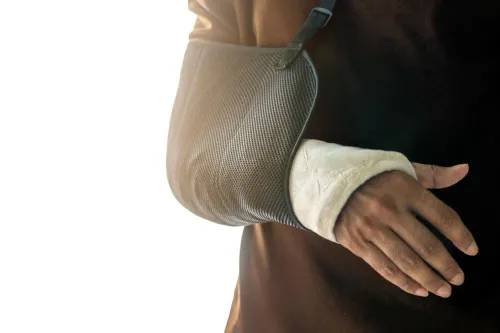
- Support the limb above and below the injury with a padded splint, folded cardboard or a rolled towel. Do not tie it tightly, and check for increasing numbness, weakness, blue or pale skin, cold fingers or toes.
- Apply ice wrapped in cloth for 15 to 20 minutes. Never place ice directly on skin, especially when sensation is reduced.
- Remove rings, watches, anklets and tight clothing before swelling increases. Do not remove clothing stuck to a wound.
- Use paracetamol only if the person normally takes it safely, following the package dose and maximum daily limit. Ask a clinician before giving ibuprofen, diclofenac or aspirin when surgery, bleeding, kidney disease, ulcers, blood thinners or pregnancy are concerns; never combine pain medicines carelessly.
- Keep the person dry and supported during travel. Use a car or ambulance rather than a two-wheeler, avoid flooded roads, and do not delay emergency care for a clinic call. Avoid food and drink if an operation or anaesthesia could be required.
These precautions reduce harm while you reach a fracture doctor in Noida for fracture treatment in Noida during monsoon.
Ask About Imaging, Circulation Checks and Follow-Up
Before travelling, ask whether the facility can manage the injury beyond the first X-ray. Rain-related delays matter, but do not postpone emergency care to complete phone calls.
- Is X-ray available on site during the hours you will arrive, including nights and monsoon disruptions? Ask whether follow-up images and cast checks are available after discharge.
- Will a clinician document pulses, skin colour and temperature, capillary refill, movement and sensation before and after splinting or fracture reduction? A normal pulse alone does not rule out a serious circulation problem.
- Can the team treat an open fracture or heavily contaminated wound? Confirm that it can provide sterile wound care, antibiotics when indicated, tetanus assessment, pain relief and urgent surgical cleaning.
- Can it reduce the fracture and apply a secure splint or cast? Ask how quickly an orthopaedic specialist will review worsening pain, numbness, weakness, pale or blue fingers, or increasing swelling.
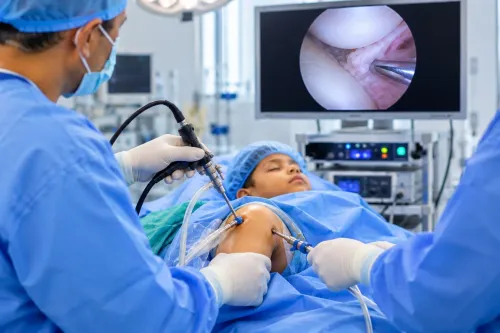
- If the injury needs surgery, anaesthesia or admission, does the facility provide these services or arrange immediate transfer? A consultation clinic is not enough for a vascular injury or emergency operation.
For bone injury treatment in Noida, confirm the review plan: when alignment, swelling, skin condition and neurovascular status will be checked, especially after temporary splinting. Orthopaedic trauma care in Noida should include clear emergency access and operating hours, not just a routine appointment slot.
Dr.A.K.Sharma-Ortho & joint replacement surgeon is one option to ask about follow-up imaging and cast review when assessing whether a clinic fits your injury.
Related service
Expert Fracture and Trauma Care Specialized Treatment from Top Orthopaedic Surgeons in Noida and Delhi NCR Welcome to our Fracture and Trauma Care... View service → |
Frequently asked questions
Where should you get fracture treatment in Noida during monsoon?
Choose a hospital emergency department or trauma centre that provides immediate X-ray, orthopaedic assessment, immobilisation, fracture reduction and surgical referral when needed.
Which injuries need same-day fracture assessment?
Seek same-day assessment for suspected fractures with severe pain, deformity, rapidly increasing swelling, inability to use the limb or difficulty bearing weight.
When should you call 112 for a suspected fracture?
Call 112 when flooding, traffic conditions or the injury makes travel by car or two-wheeler unsafe, or when the person needs emergency transport.
How should you protect a suspected fracture while travelling?
Keep the limb still in its existing position, support it with a splint or sling, avoid straightening it and remove rings or watches before swelling increases.
What should you ask the fracture doctor about before leaving?
Ask whether imaging is complete, whether circulation and sensation were checked, what immobilisation is required, when follow-up is due and which warning signs require urgent return.
Keywords