A fracture can range from a small stable crack to a complex injury involving displaced bone, joints, surrounding tissue, or multiple fragments. Because the severity varies so widely, fracture treatment cannot be reduced to simply putting every injured limb in a plaster cast.
The immediate objective is to identify the fracture accurately, protect the injured area and determine whether the bone can heal in an acceptable position with conservative management or needs another form of stabilization.
Avoiding common mistakes is an important part of that process.
Mistake 1: Assuming You Can Move the Limb Because It Is Not Broken
Some people assume a fracture must make movement completely impossible.
That is not always true.
Certain fractures still allow limited movement or even weight-bearing. Continuing to use the injured limb because movement is possible can potentially worsen pain or displacement.
After significant trauma, persistent localized pain, swelling, deformity, bruising or difficulty using the limb deserves assessment.
Mistake 2: Delaying Evaluation After a Fall
This can be particularly relevant for older adults.
A seemingly minor fall may produce a fracture when bone strength is reduced. Hip, wrist and vertebral fractures are among the injuries that may occur after falls in older individuals.
Severe or persistent pain after a fall should therefore not automatically be dismissed as bruising.
Mistake 3: Treating Every Fracture With the Same Immobilization
Fracture management depends on:
- Which bone is injured
- Exact location of the fracture
- Degree of displacement
- Whether a joint is involved
- Stability
- Skin and soft-tissue condition
- Patient age
- Bone quality
- Associated injuries
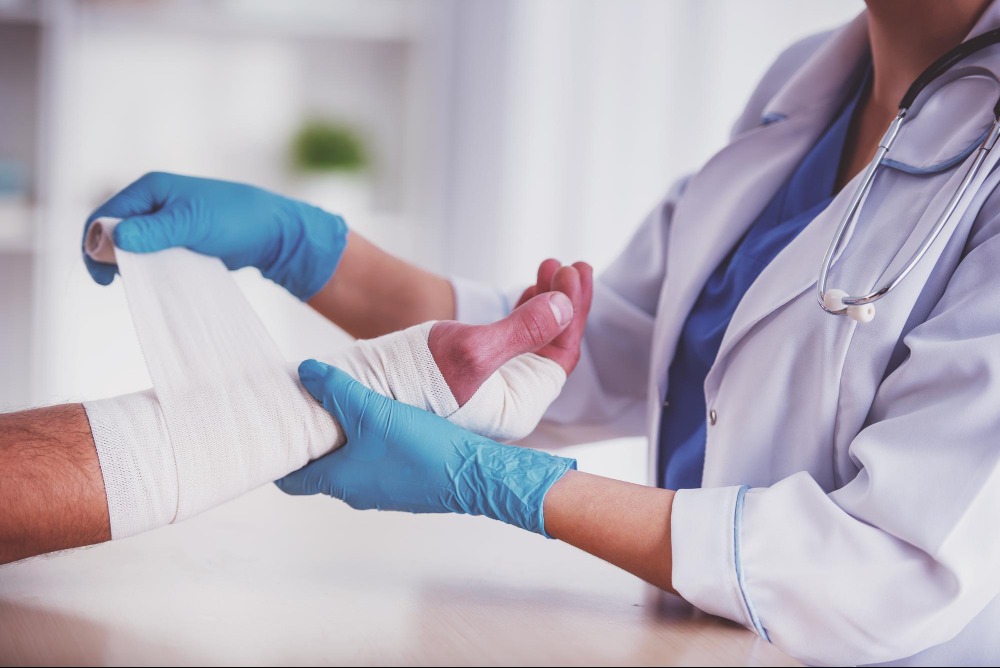
Some fractures can be managed using a cast, brace or other form of immobilization. Others may require reduction or surgical fixation.
Mistake 4: Ignoring Increasing Swelling or Circulation Symptoms
After immobilization, patients should understand the warning signs they have been instructed to watch for.
Markedly increasing pain, concerning swelling, altered sensation, or changes in circulation beyond what has been explained during treatment need timely reassessment.
A cast should support treatment without masking important complications.
Mistake 5: Missing Follow-Up X-Rays
A fracture that initially appears well positioned may require follow-up to confirm that alignment remains acceptable during healing.
Skipping scheduled appointments because pain has improved can mean changes in position or healing progress are not identified at the appropriate time.
Follow-up is part of treatment, not merely an administrative visit.
Mistake 6: Returning to Activity Too Early
Pain improvement does not necessarily mean that the bone has regained enough strength for unrestricted activity.
The timeline for returning to work, sports, driving or weight-bearing depends on the fracture and evidence of healing.
Progression should therefore be based on clinical guidance rather than a fixed number of weeks found online.
Mistake 7: Forgetting Rehabilitation
Immobilization can lead to stiffness and muscle weakness.
Once medically appropriate, rehabilitation may be needed to restore movement, strength and function. The timing matters because excessive movement too early can be harmful, while unnecessary prolonged immobilization may also create problems.
Fracture Care Should Include the Bigger Picture
When a fracture occurs after relatively minor trauma, particularly in an older adult, it may also raise questions about bone health.
In appropriate cases, clinicians may consider whether osteoporosis or another underlying factor needs evaluation.
For patients in Noida and nearby areas of Uttar Pradesh, prompt access to orthopedic assessment can help establish the type and stability of an injury before treatment decisions are made.
Dr. A.K. Sharma, Ortho and Joint Replacement Surgeon can evaluate fractures based on examination and appropriate imaging, with treatment determined by the injury rather than by a one-size-fits-all approach.
Good fracture care is not simply about waiting for bone to unite. It involves achieving suitable alignment and stability, monitoring healing, protecting surrounding function, and guiding the patient back to activity at an appropriate pace.