Hip pain can gradually limit your ability to enjoy everyday activities. Simple tasks like walking, climbing stairs, sitting comfortably, or getting in and out of a car may become increasingly difficult. While medication, physiotherapy, and lifestyle changes often help in the early stages, some people eventually reach a point where these treatments no longer provide lasting relief. Understanding when hip joint replacement surgery should be considered helps patients make informed decisions before mobility declines further.
Why Does the Hip Joint Wear Out?
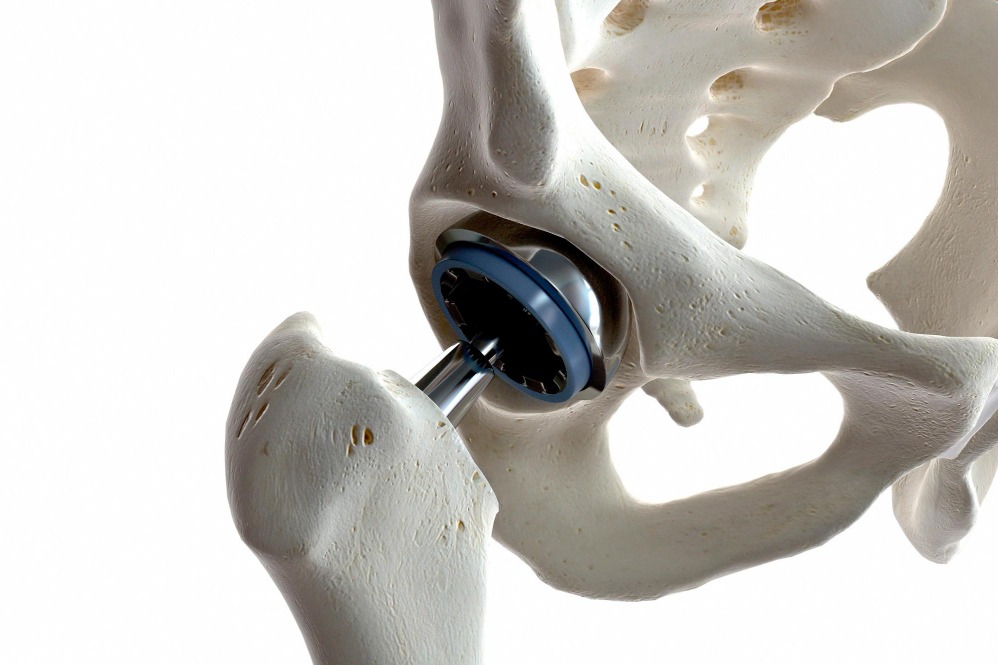
The hip is a ball-and-socket joint designed to support body weight while allowing smooth movement. Over time, cartilage that cushions the joint may wear away, causing bones to rub against each other. This leads to pain, stiffness, and reduced flexibility.
Common reasons include:
- Osteoarthritis
- Rheumatoid arthritis
- Hip fractures
- Avascular necrosis
- Childhood hip disorders
- Previous injuries
- Age-related joint degeneration
Early diagnosis allows treatment to begin before significant joint damage develops.
Signs That Conservative Treatment May No Longer Be Enough
Doctors generally recommend non-surgical treatment before considering surgery. However, persistent symptoms may indicate that the joint has deteriorated beyond what conservative care can manage.
You may benefit from further evaluation if you experience:
- Constant hip pain during daily activities
- Pain even while resting
- Difficulty walking short distances
- Reduced hip movement
- Trouble putting on shoes or socks
- Stiffness after sitting
- Sleep disturbed by hip pain
- Increasing dependence on walking aids
When these symptoms continue despite appropriate treatment, surgery may become a practical option.
What Happens During Hip Joint Replacement Surgery?
The procedure involves replacing damaged portions of the hip joint with durable artificial components that restore smoother movement and reduce pain.
Modern surgical techniques focus on:
- Precise implant positioning
- Preserving healthy bone
- Reducing tissue damage
- Improving joint stability
- Supporting quicker rehabilitation
The exact surgical approach depends on each patient's condition and anatomy.
Benefits Beyond Pain Relief
Many people associate hip replacement only with pain reduction, but the procedure often improves several aspects of daily living.
Patients commonly notice:
- Easier walking
- Improved balance
- Better flexibility
- Increased independence
- Improved sleep quality
- Greater confidence while moving
- Better participation in social activities
Recovery is supported through structured physiotherapy and gradual strengthening exercises.
Questions Worth Asking Before Deciding on Surgery
Choosing surgery is a significant decision. Patients should understand every aspect of the procedure before moving forward.
Helpful questions include:
- What is causing my hip pain?
- Have non-surgical options been fully explored?
- How advanced is the joint damage?
- What recovery timeline should I expect?
- When can I return to work?
- Will physiotherapy be required?
- How long do modern implants usually last?
Clear discussions with an orthopedic specialist help patients make decisions based on facts rather than fear.
Recovery Requires Active Participation
Successful recovery depends on more than the operation itself. Following rehabilitation instructions consistently improves mobility and overall outcomes.
Patients are encouraged to:
- Begin walking as advised
- Perform strengthening exercises regularly
- Attend physiotherapy sessions
- Avoid high-impact activities initially
- Maintain a healthy body weight
- Follow follow-up appointments carefully
Steady progress over several months usually produces the best long-term results.
Orthopedic Care for Hip Disorders in Noida
An increasing number of adults and senior citizens in Noida seek specialized treatment for hip arthritis and mobility problems. Access to experienced orthopedic care allows patients to receive individualized recommendations based on imaging findings, functional limitations, and overall health.
Dr. A.K. Sharma, Ortho and Joint Replacement Surgeon evaluates patients with chronic hip pain to determine whether conservative treatment remains appropriate or if hip joint replacement surgery offers the best opportunity for improved mobility and quality of life.
Persistent hip pain should never be accepted as an unavoidable part of aging. Timely evaluation allows patients to understand every available treatment option before the condition significantly affects independence.