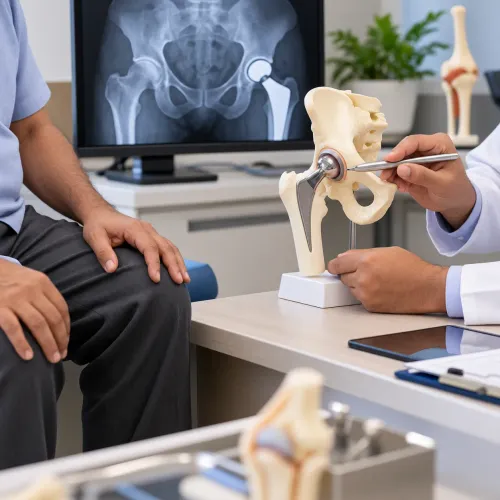
Knee pain can gradually change the way a person walks, climbs stairs, works, sleeps, and manages everyday activities. For some people, medicines, physiotherapy, activity modification, weight management, or injections provide adequate relief. For others, severe joint damage continues to limit mobility despite appropriate non-surgical treatment. This is when knee replacement surgery may become one of the treatment options considered by an orthopedic surgeon.
For patients in Noida and surrounding areas of Uttar Pradesh, understanding why knee replacement is recommended can make discussions about treatment clearer and more informed.
What Happens to a Severely Damaged Knee
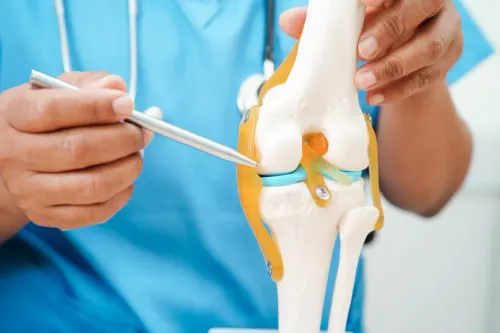
The knee is formed mainly by the thigh bone, shin bone, kneecap, cartilage, ligaments, and surrounding muscles. Healthy cartilage allows the joint surfaces to move smoothly.
Conditions such as osteoarthritis can gradually wear this protective cartilage. As degeneration progresses, patients may experience:
- Persistent knee pain
- Stiffness after sitting or resting
- Difficulty climbing stairs
- Reduced walking distance
- Swelling around the knee
- Grinding or catching sensations
- Increasing difficulty with routine activities
- Changes in the alignment of the leg
The severity of an X-ray alone does not determine whether someone needs surgery. Symptoms, examination findings, mobility limitations, overall health, and response to previous treatment all matter.
When Is Knee Replacement Usually Discussed
Knee replacement is generally considered when joint damage is advanced and symptoms significantly affect quality of life.
A patient may be evaluated for surgery when pain remains troublesome despite a suitable period of conservative treatment. Night pain, difficulty performing essential daily activities, progressive loss of movement, or substantial joint deformity may also influence the decision.
There is no universal age at which a person should undergo replacement. An orthopedic assessment considers the condition of the joint and the patient's health rather than relying only on age.
Is Every Painful Knee a Replacement Case
No. Many knee conditions can be managed without joint replacement.
A younger patient with a ligament injury, for example, may need an entirely different treatment from an elderly patient with advanced osteoarthritis. Meniscus injuries, inflammatory conditions, fractures, tendon problems, and referred pain can also produce knee symptoms.
Before recommending treatment, an orthopedic surgeon may use:
- Medical and symptom history
- Physical examination
- Standing or other appropriate X-rays
- MRI in selected situations
- Blood tests when another medical condition is suspected
This helps establish what is actually causing the pain.
What Does the Procedure Do
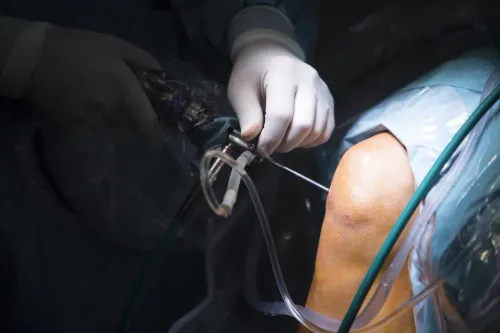
During knee replacement, damaged joint surfaces are removed and replaced with artificial components. Depending on the pattern and extent of joint damage, different surgical approaches may be considered.
The objective is to improve the function of a severely damaged joint and reduce pain associated with that damage. Recovery is gradual rather than immediate.
Physiotherapy and rehabilitation are important because patients need to regain movement, muscle strength, balance, and confidence in walking.
What Should Patients Consider Before Making a Decision
A useful surgical consultation should answer practical questions rather than simply determine whether surgery is technically possible.
Patients should understand:
- Why surgery is being considered
- Whether reasonable non-operative options remain
- Which type of procedure is appropriate
- Expected hospital stay
- Rehabilitation requirements
- Possible complications
- Expected functional improvement
- Activities that may need modification after surgery
- How existing medical conditions affect preparation
Diabetes, heart disease, obesity, infections, medications, smoking, and other health factors can influence surgical planning and recovery.
Why Individual Assessment Matters
Two people of the same age with similar-looking X-rays can have very different symptoms and functional needs. One may manage comfortably with conservative care, while another may struggle with basic mobility.
That is why a decision about knee replacement should be individualized.
Patients considering knee replacement surgery in Noida can undergo an orthopedic evaluation to understand the extent of joint damage and whether conservative management or surgery better matches their current condition. Dr. A.K. Sharma, Ortho and Joint Replacement Surgeon evaluates knee symptoms in relation to mobility, clinical findings, imaging, previous treatment, and overall health before discussing appropriate treatment options.
For people living with long-standing knee pain, the most useful starting point is not deciding on surgery independently. It is identifying the cause and severity of the problem so the next treatment decision is based on the actual condition of the knee.